Dispensary Cannabis Deals and Discounts Saving Tips

For cannabis enthusiasts, buying premium strains, edibles, or concentrates can quickly add up. Whether you’re a medical patient relying on regular doses or a recreational user looking for the next great experience, dispensary purchases can impact your wallet. Luckily, dispensaries are increasingly offering deals, discounts, and savvy ways to save without compromising quality. With a little knowledge, you can enjoy top-tier cannabis while keeping your budget intact.

Here’s a guide to navigating dispensary deals and making the most of your cannabis purchases.

1. Take Advantage of Daily and Weekly Deals

Many dispensaries offer regular promotions, often in the form of daily or weekly deals. For example, some dispensaries have “Wax Wednesdays” or “Flower Fridays,” where certain products are discounted or offered in bundle deals.

Paying attention to these recurring promotions can save you a significant amount over time. It’s a great way to try new strains or products at a lower cost while staying within your budget. Sign up for dispensary newsletters or follow them on social media to stay updated on these deals — the savings can be surprisingly substantial.

2. Loyalty Programs Are More Than Points

Loyalty programs are not just for collecting points; they’re designed to save you money and enhance your experience. Most programs offer exclusive discounts, birthday rewards, and member-only deals, sometimes even on high-end products that aren’t discounted for the general public.

For regular buyers, a loyalty program can transform every purchase into a reward opportunity. Over time, these perks can add up to free products, discounted bundles, or access to limited-edition strains, making it one of the smartest ways to save.

3. Look for Volume Discounts

If you consume cannabis frequently, buying in larger quantities can often reduce your per-gram cost. Many dispensaries offer tiered pricing where the more you buy, the lower the cost per unit.

For example, purchasing an eighth of an ounce may cost slightly more per gram than buying a quarter-ounce. Similarly, bulk deals on concentrates, pre-rolls, or edibles are common. Just be sure to only buy what you’ll realistically use to avoid product waste or loss of freshness.

4. Check for Special Membership or Patient Discounts

Medical patients often have access to special pricing at dispensaries. Even recreational users may benefit from membership discounts, especially at dispensaries that require sign-ups or a membership card.

Student discounts, veterans’ benefits, or first-time customer deals are becoming more common too. Always ask your budtender if any special pricing applies — sometimes these offers aren’t advertised prominently but can provide excellent savings.

5. Combine Deals and Plan Your Purchases

Savvy shoppers know how to stack deals without breaking any rules. For instance, you might combine a loyalty program reward with a daily special, effectively getting double savings.

Planning your purchases around promotions is another smart strategy. If you know you’ll be using a specific strain or product for the next month, consider buying it during a sale or discount period. This way, you save money while ensuring a steady supply.

6. Don’t Forget About Edibles, Tinctures, and Concentrates

Deals aren’t limited to flower. Many dispensaries offer promotions on edibles, tinctures, capsules, and concentrates, which can sometimes be more cost-effective on a per-dose basis.

For beginners or those looking to try new products, discounted edibles or vape cartridges are a great way to explore without overspending. Remember to check THC and CBD content to ensure the savings align with the value you’re seeking.

7. Utilize Online Ordering and Pre-Orders

Online dispensary platforms often feature exclusive online-only deals. Pre-ordering through a dispensary’s website or app can sometimes unlock discounts or guarantee access to limited products without the risk of them selling out.

This approach not only saves money but also saves time and effort — no waiting in line or rushing to grab last-minute deals.

8. Educate Yourself About Seasonal Promotions

Cannabis dispensaries frequently roll out seasonal or holiday promotions, such as 4/20 specials, Black Friday deals, or “Green Friday” discounts. Planning purchases around these times can yield substantial savings.

By combining seasonal promotions with loyalty points or daily deals, you can maximize your budget and enjoy premium cannabis without overspending.

Final Thoughts

Saving money on dispensary cannabis doesn’t mean compromising on quality. By taking advantage of daily specials, loyalty programs, bulk deals, patient discounts, and online promotions, you can enjoy a rich planet 13 experience while staying financially savvy.

A little planning, research, and communication with your budtender can go a long way. Deals and discounts exist for those willing to look, and they can make premium cannabis more accessible for regular users and newcomers alike.

Being informed, strategic, and mindful about your purchases ensures that your cannabis journey is not only enjoyable but also wallet-friendly. After all, great cannabis experiences don’t have to come with a high price tag.

Leave a Reply

Your email address will not be published. Required fields are marked *

Related Post

Top Tips For Hiring A Bodyguard In LondonTop Tips For Hiring A Bodyguard In London

Whether you 39;re a high-profile somebody, a byplay executive, or simply someone who requires subjective tribute, hiring a bodyguard in London is a serious decision that should not be taken thinly. With its active streets, vibrant life-style, and occasional security concerns, London 39;s dynamic environment often calls for heightened personal surety. If you 39;re considering hiring a bodyguard to see to it your safety, there are several key factors to consider before making your option. Here are some necessary tips for hiring a guard in London. hire bodyguards in london.

1. Assess Your Security Needs

Before hiring a bodyguard, it rsquo;s material to assess your specific security needs. Are you attending high-risk events? Do you need tribute while travelling around the city? Will you want a bodyguard for subjective or family security at your home? Each person has unusual requirements, so it rsquo;s fundamental to sketch your needs clearly.

A guard 39;s role can range from providing restrained personal tribute to being actively involved in managing your surety during populace appearances, meetings, or trip. In some cases, you might even need a team of bodyguards, especially if you rsquo;re managing vauntingly-scale security for an event or need circle-the-clock tribute.

2. Hire a Qualified and Experienced Bodyguard

Security services in London are vast, but not all bodyguards are equally eligible or toughened. Look for professionals who have the right credentials and preparation. Bodyguards should have go through in close protection and be skilled in a variety of critical areas such as threat assessment, infringe direction, reply, and first aid.

In the UK, bodyguards must often hold certifications from recognized bodies like the Security Industry Authority(SIA), which ensures they meet the requisite standards of professionalism and competency. An SIA-accredited bodyguard will have undergone intensifier training in areas like risk judgment, surveillance, and defensive attitude tactics.

Additionally, look for someone with germane experience in your particular security needs. For illustrate, if you 39;re a celebrity, a guard with see treatment media aid and managing crowds would be paragon. If you 39;re a byplay executive director, someone with expertise in protecting private selective information or with potential workplace threats may be more proper.

3. Conduct Background Checks

Just as you would with any or service provider, it 39;s requisite to channel thorough play down checks before hiring a guard. This includes checking references, reviewing their past clients, and ensuring they have a strip malefactor record. Many bodyguard services ply node testimonials or case studies, which can be useful in assessing their dependableness and professionalism.

Since bodyguards often work closely with individuals in buck private settings, bank is predominant. Ensure that your guard has a proven chronicle of discretion and professionalism in handling spiritualist situations.

4. Choose Between a Solo Bodyguard or a Security Team

Depending on your raze of risk and the type of protection needful, you may need to hire a unity guard or a bigger surety team. For high-profile individuals or those with substantial security risks, a team of bodyguards may be necessary. This could admit a lead guard, drivers, and additive personnel office to handle surveillance or border security.

While a solo guard might be enough for day-to-day protection, larger surety teams can provide more unrefined and comprehensive examination protection in scenarios, such as when you 39;re travel or attention a high-risk event. Be sure to select a bodyguard service that can tailor their protection strategy to your specific needs.

5. Discuss Logistics and Operational Plan

When attractive a guard or surety companion, it 39;s essential to have a about logistics and the operational plan. How will they organize with other members of your staff or associates? Will they you around, or will you have a part chauffeur? What kind of surveillance or security equipment will they use?

It rsquo;s requirement to set clear boundaries and expectations, particularly if you want specific services such as securing transportation, protective subjective data, or managing threats in packed or world spaces. Make sure the bodyguard rsquo;s plan aligns with your lifestyle, agenda, and any trip plans. Transparency is key to ensuring a smooth and operational surety operation.

6. Consider Compatibility and Personal Rapport

While professional person expertise and go through are crucial, the personal resonance between you and your bodyguard is also key. You will likely be spending a lot of time together, and the bodyguard must be someone you feel wide with. The family relationship should be well-stacked on swear, honour, and .

Bodyguards must be able to blend into various social situations while maintaining a unostentatious, tender front. If you have a specific lifestyle or personal preferences, such as a desire for token disruption or a more seeable presence for public security of mind, pass these preferences during the hiring work on. Compatibility and mutual honor will ensure that both you and your bodyguard work well together.

7. Ensure Discretion and Professionalism

A key of a good bodyguard is . High-profile individuals, business leaders, and others who hire personal tribute need to assure their guard can wield a high dismantle of . This includes not just protective you physically but also safeguarding your subjective entropy and sensitive matters.

A bodyguard should never partake details of your whereabouts, routines, or any other medium selective information. This is why hiring a professional bodyguard who understands the grandness of is essential.

8. Consider the Cost of Services

While it rsquo;s portentous not to stint on surety, it rsquo;s evenly remarkable to insure you rsquo;re getting value for your money. Bodyguard services in London can vary importantly in cost depending on the dismantle of tribute needful. For example, a extremely trained and experienced bodyguard with specialized skills will require a high fee than someone with less see.

When discussing costs, consider the overall package offered, including the bodyguard rsquo;s undergo, the amoun of team members encumbered(if any), and any additive services provided, such as trip surety or private . Always request a breakdown of direct to avoid any surprises.

9. Be Clear About Terms and Agreements

Lastly, ascertain that everything is clearly distinct in a written agreement or undertake. This should admit the scope of services, the duration of the contract, defrayal price, and what will happen in the event of termination. A professional bodyguard serve will see everything is handled de jure and professionally.

Conclusion

Hiring a guard in London is an investment funds in your safety, public security of mind, and privateness. With the right set about, you can procure a professional person and veteran bodyguard who meets your specific needs. By cautiously assessing your security requirements, conducting thorough downpla checks, and choosing a bodyguard who aligns with your lifestyle, you can insure that your personal security is in good work force. Whether you want a solo guard or an entire security team, pickings the time to choose wisely will pay off in the long run.

In Welcher Form Verschriebenes Cannabis Kranken Bei Epilepsie, Tumorerkrankungen, Sowie PTBS Weltweit WirktIn Welcher Form Verschriebenes Cannabis Kranken Bei Epilepsie, Tumorerkrankungen, Sowie PTBS Weltweit Wirkt


Die Cannabispflanze ist eine der am meisten diskutierten Substanzen in der globalen Diskussion. In der Bundesrepublik Deutschland, wie auch in vielen anderen Ländern, wird die Pflanze aus diversen Perspektiven betrachtet – von medizinischen Vorteilen über rechtliche Fragestellungen bis hin zu gesellschaftlichen und gesellschaftlichen Auswirkungen. Die Debatte über Cannabis in Deutschland hat in den letzten Jahren an Intensität gewonnen, nicht zuletzt aufgrund der steigenden Akzeptanz von therapeutischem Cannabis und der laufenden Diskussion über eine mögliche Legalisierung für den nichtmedizinischen Konsum.

Medizinisches Cannabis wurde in Deutschland 2017 legalisiert. Seitdem haben Patienten, die an bestimmten chronischen Erkrankungen oder Schmerzen leiden, die Möglichkeit, Cannabis auf ärztliche Verschreibung zu erhalten. Ärzte können es zur Schmerzlinderung von Symptomen bei Krankheiten wie MS, dauerhaften Beschwerden oder Krebs verschreiben. Diese Entwicklung wurde von vielen als ein bedeutender Schritt in Richtung einer offeneren Haltung gegenüber Cannabis betrachtet. Dennoch gibt es auch viele Kritiker, die der Meinung sind, dass die medizinischen Vorteile von Cannabis noch nicht ausreichend durch empirische Forschung belegt sind.

Im Gegensatz zur medizinischen Nutzung bleibt Cannabis für den nichtmedizinischen Konsum in Deutschland illegal, was immer wieder zu politischen und gesellschaftlichen Spannungen führt. Für viele Bürger stellt sich die Frage, ob die Strafverfolgung von thc gummibären konsumenten nicht mehr Schaden anrichtet als sie nützt. Diese Diskussion wurde in den letzten Jahren durch die Entwicklungen in anderen Ländern, wie zum Beispiel Kanada oder einigen US-Staaten, weiter angeheizt, die Cannabis sowohl für den medizinischen als auch für den nichtmedizinischen Konsum legalisiert haben. Befürworter einer Legalisierung argumentieren, dass eine staatliche Regulierung dazu beitragen könnte, den Schwarzmarkt zu bekämpfen, die Qualität der Produkte zu überwachen und staatliche Einnahmen zu generieren.

Ein weiteres Argument für die Legalisierung ist die potenzielle Entlastung der Justizbehörden und eine Reduzierung der Strafverfolgungskosten. In Deutschland wird der Besitz von Cannabis in geringen Mengen zwar in der Regel nicht strafrechtlich verfolgt, aber es besteht immer noch die Möglichkeit einer Anzeige und, je nach Menge, der Sicherstellung von Betäubungsmitteln. Die Entkriminalisierung oder Legalisierung von Cannabis würde aus Sicht vieler Experten Ressourcen freisetzen, die stattdessen für die Bekämpfung von wirklich gefährlichen Drogen wie harten Drogen oder anderen gefährlichen Substanzen eingesetzt werden könnten.

Die Diskussion über Cannabis ist jedoch nicht nur eine Frage der Gesetzgebung und der Gesundheitsversorgung, sondern auch eine soziale. Die Gesellschaft ist gespalten in der Frage, ob Cannabis als gefährliche Droge angesehen werden sollte oder ob es als Teil einer modernen, liberalen Gesellschaft betrachtet werden kann. Kritiker der Legalisierung warnen vor den möglichen gesundheitlichen Folgen des Cannabiskonsums, insbesondere bei jungen Menschen und jungen Erwachsenen, die möglicherweise ein höheres Risiko für psychische Erkrankungen wie Angstprobleme oder psychotische Störungen haben.

Die Bedeutung der Bildung darf in dieser Debatte nicht unterschätzt werden. Eine umfassende und objektive Informationspolitik könnte dazu beitragen, die Risiken von Cannabis besser zu verstehen und zu einer verantwortungsbewussten Nutzung zu führen. Ein differenzierter Blick auf die Thematik ist essenziell, um eine ausgewogene und informierte Entscheidung über die Zukunft von Cannabis in Deutschland zu treffen.

Abschließend bleibt festzuhalten, dass die Erlaubnis von Cannabis in Deutschland weiterhin ein heftiges Thema bleibt. Es erfordert eine sorgfältige Abwägung der medizinischen, rechtlichen und gesellschaftlichen Auswirkungen. Die kommenden Jahre könnten entscheidend für die Richtung sein, die die deutsche Politik in Bezug auf Cannabis einschlägt.

How Dispensary Cannabis Supports Local EconomiesHow Dispensary Cannabis Supports Local Economies

Over the past decade, cannabis has evolved from a controversial topic to a booming industry, reshaping communities and economies alike. Beyond its health and wellness applications, dispensary cannabis has become a powerful driver of local economic growth — providing jobs, generating tax revenue, and fueling small business opportunities. But how exactly does this plant-based industry impact local economies, and why is it more than just a trend?

Creating Jobs and Boosting Employment

One of the most immediate and visible benefits of dispensary cannabis is job creation. From cultivation and processing to retail and delivery, the cannabis industry requires a wide range of skilled and semi-skilled workers. Licensed dispensaries employ budtenders, managers, security staff, and marketing professionals, while cultivation facilities create opportunities for horticulturists, technicians, and logistics personnel.

For many communities, particularly those hit hard by unemployment or economic downturns, the cannabis sector offers stable, year-round employment. According to industry reports, a single dispensary can employ dozens of local workers, while larger cannabis operations can provide hundreds of jobs in regions that previously had limited employment opportunities.

Supporting Small Businesses and Entrepreneurs

Dispensary Pure new Baltimore doesn’t just create jobs; it fosters entrepreneurship. Many dispensaries are locally owned and operated, providing opportunities for small business owners to thrive in a regulated market. Additionally, ancillary businesses — from marketing agencies and security firms to packaging companies and delivery services — benefit directly from the growing demand for cannabis products.

This ripple effect strengthens local economies by circulating money within the community. Unlike industries where profits are funneled to corporate headquarters or international investors, dispensary cannabis often keeps revenue closer to home, encouraging sustainable growth.

Generating Tax Revenue for Communities

Perhaps the most tangible economic benefit of dispensary cannabis is its ability to generate tax revenue. In states where cannabis is legal, sales taxes, excise taxes, and licensing fees contribute significant funds to local and state governments. These revenues are often earmarked for public programs, including education, healthcare, infrastructure, and community development initiatives.

For example, some municipalities use cannabis tax revenue to fund after-school programs, improve parks, or support mental health services. This creates a cycle of community reinvestment, where cannabis sales directly benefit residents and neighborhoods.

Revitalizing Commercial Areas

Dispensary cannabis also has a noticeable impact on local commercial real estate. Opening a licensed dispensary can revitalize underutilized spaces, attract foot traffic, and stimulate surrounding businesses. Coffee shops, restaurants, and retail stores near dispensaries often see increased customer engagement, creating a thriving local ecosystem.

In many cities, dispensary clusters contribute to the revitalization of neighborhoods that were previously economically stagnant, transforming them into hubs of commerce and activity. This urban renewal effect is an often-overlooked benefit of the cannabis industry.

Encouraging Tourism and Local Spending

Cannabis tourism is another growing economic driver. Visitors travel to regions where dispensary cannabis is legal, spending money on lodging, dining, transportation, and local attractions. This influx of tourism dollars boosts local hospitality industries and helps small businesses that may have struggled otherwise.

Dispensaries themselves become destinations, offering educational experiences, product sampling, and community events that draw curious visitors. In this way, cannabis doesn’t just support the economy—it also helps put local communities on the map.

Long-Term Economic Growth and Sustainability

The cannabis industry is still in its early stages, and its full economic potential is only beginning to emerge. By providing jobs, supporting small businesses, generating tax revenue, and attracting tourism, dispensary cannabis contributes to long-term, sustainable economic growth. Communities that embrace regulated cannabis markets often see a boost in local investment and infrastructure, creating a positive cycle that benefits residents, entrepreneurs, and local governments alike.

Final Thoughts

Dispensary cannabis is more than a wellness product — it’s an economic engine. From creating employment opportunities and supporting entrepreneurs to revitalizing neighborhoods and funding community programs, the industry’s impact goes far beyond the dispensary counter.

As more regions recognize the economic benefits of legalized cannabis, communities are discovering that this once-stigmatized plant can be a powerful catalyst for growth, prosperity, and sustainable development. For local economies, dispensary cannabis isn’t just a business—it’s a vibrant contributor to community vitality.

Revolutionizing Beauty: How Medical Beauty is Changing the Aesthetic LandscapeRevolutionizing Beauty: How Medical Beauty is Changing the Aesthetic Landscape

In the modern age, beauty has evolved beyond the traditional world of makeup and skincare products. Today, an increasing number of individuals are turning to medical beauty—a dynamic fusion of science and aesthetics that offers effective, non-surgical solutions for enhancing one's appearance. Combining clinical expertise with advanced technology, medical beauty provides a wide range of non-invasive treatments designed to address skin imperfections, reduce the visible signs of aging, and rejuvenate the body.

This growing sector of the beauty industry is making it easier for people to achieve their desired appearance without the need for traditional, invasive surgery. From Botox to body contouring treatments, medical beauty is proving that looking and feeling your best doesn’t always require going under the knife. In this article, we’ll take a closer look at the world of medical beauty, its increasing popularity, and the most sought-after treatments in this rapidly growing field.

What is Medical Beauty?

At its core, medical beauty refers to a variety of cosmetic treatments that combine medical knowledge with aesthetic enhancement. These treatments typically focus on non-surgical and minimally invasive procedures that provide lasting, noticeable results. Unlike traditional beauty treatments that focus on topical products, medical beauty procedures delve deeper into the layers of the skin, muscles, or fat to provide more substantial and longer-lasting improvements.

The growing appeal of medical beauty lies in the fact that it combines the science of medicine with the art of beauty, all while minimizing the risks and recovery time associated with traditional surgeries. These treatments are often performed by qualified medical professionals, such as dermatologists, cosmetic surgeons, or licensed aestheticians, ensuring that each procedure is safe and effective.

Why Medical Beauty is Gaining Popularity

The popularity of medical beauty can be attributed to several key factors, each contributing to a surge in demand:

1. Quick Results with Minimal Downtime

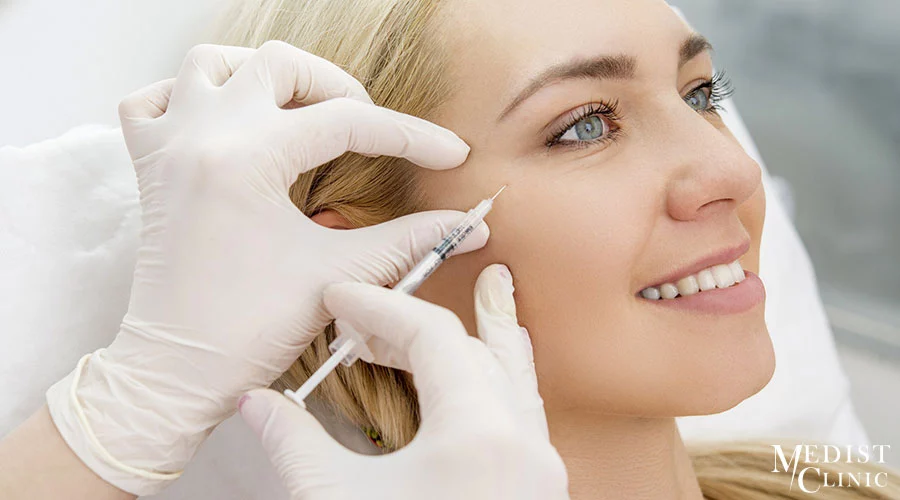
One of the most attractive aspects of medical beauty is its ability to provide immediate and visible results. Many procedures, such as Botox injections or dermal fillers, deliver noticeable changes almost instantly, with minimal downtime. This is especially appealing for individuals with busy lives who cannot afford the extended recovery periods associated with traditional cosmetic surgeries.

The rapid recovery and effectiveness of these treatments allow people to address their beauty concerns without significant interruption to their daily routines.

2. Subtle, Natural Enhancements

Unlike the drastic transformations often seen with cosmetic surgery, medical beauty focuses on achieving subtle, natural-looking enhancements. Treatments like Botox and dermal fillers are designed to enhance a person’s natural beauty, providing a youthful, refreshed look without altering one’s unique features. This approach is particularly appealing to individuals who want to look younger but don’t want to appear “overdone.”

The goal is often to maintain a natural balance, enhancing features like the jawline, cheeks, or lips while still preserving an individual’s overall appearance.

3. Affordability and Accessibility

Medical beauty treatments offer a more affordable and accessible option for individuals who may not be able to invest in more invasive cosmetic surgery. While the cost of each procedure can vary, non-surgical treatments are typically less expensive than full surgeries. Additionally, with more clinics and medical spas offering these services, medical beauty is becoming available to a broader range of people.

For those seeking non-invasive solutions without the high price tag of surgery, 溶脂針 offers a cost-effective alternative.

4. Advancements in Technology

As medical technology continues to evolve, new, innovative treatments are continuously emerging in the field of medical beauty. From lasers to injectables, modern treatments utilize cutting-edge equipment to achieve superior results. With these technological advancements, procedures have become more precise, safe, and effective.

Many of these treatments are backed by rigorous scientific research, ensuring that patients receive the best possible outcomes with minimal risk.

Popular Medical Beauty Treatments

Medical beauty encompasses a wide array of procedures, each designed to target specific aesthetic concerns. Below are some of the most popular and sought-after treatments in the industry today:

1. Botox and Other Neuromodulators

Botox is perhaps the most well-known treatment in the world of medical beauty. It works by temporarily relaxing the muscles responsible for creating wrinkles, particularly around the eyes, forehead, and mouth. Botox is commonly used to treat crow’s feet, frown lines, and forehead wrinkles, offering patients a smoother, younger-looking complexion.

Other neuromodulators such as Dysport, Xeomin, and Jeuveau are similar to Botox and work in much the same way, but they may vary in their formulation and longevity. These treatments offer a safe, non-invasive solution for reducing the appearance of fine lines and wrinkles.

2. Dermal Fillers

Dermal fillers are injectable substances used to restore volume and smoothness to areas of the face that have experienced volume loss due to aging. They are most commonly used in the cheeks, lips, under-eye area, and jawline. Fillers can help smooth deep wrinkles, plump thin lips, and add definition to the face.

The most common dermal fillers include hyaluronic acid-based options like Juvederm and Restylane, which are favored for their ability to add natural-looking volume and moisture. The results from dermal fillers are typically visible immediately and can last from six months to two years, depending on the type of filler used.

3. Laser Skin Resurfacing

Laser skin resurfacing is an advanced treatment that uses focused laser beams to improve skin texture, tone, and appearance. It targets issues such as sun damage, fine lines, wrinkles, and scarring. Laser resurfacing works by removing the outer layers of the skin and stimulating collagen production, which results in smoother, firmer skin.

Popular types of laser treatments include CO2 lasers and fractional lasers, which can penetrate the skin at different depths depending on the severity of the skin concern. Patients can expect smoother, healthier skin after a few sessions, with results lasting up to a year or more.

4. Chemical Peels

Chemical peels use a chemical solution to exfoliate the skin, helping to remove dead skin cells and promote new skin growth. This treatment is commonly used to treat acne scars, sun damage, uneven pigmentation, and fine lines. Depending on the strength of the chemical solution, chemical peels can be superficial, medium-depth, or deep.

Superficial peels are ideal for mild skin concerns, while deep peels can be used to address more severe issues like scarring or wrinkles. The healing process for deeper peels may take a bit longer, but the results are often more dramatic.

5. CoolSculpting (Fat Freezing)

CoolSculpting is a non-invasive fat reduction treatment that targets stubborn fat cells by freezing them. The process, known as cryolipolysis, freezes fat cells in areas like the abdomen, flanks, or thighs. These frozen fat cells are then naturally eliminated by the body over a few months.

CoolSculpting is ideal for individuals who have localized fat pockets that don’t respond well to diet or exercise. The treatment is non-invasive, requires no recovery time, and results in a noticeable reduction in fat after several sessions.

6. Microneedling

Microneedling, also called collagen induction therapy, involves using tiny needles to create micro-injuries in the skin. This process stimulates the skin’s natural healing response, promoting collagen and elastin production. As a result, microneedling helps to improve the appearance of fine lines, wrinkles, scarring, and uneven skin texture.

For enhanced results, microneedling is often combined with Platelet-Rich Plasma (PRP), which involves using the patient’s own blood to promote healing and rejuvenation. The combination of microneedling and PRP is often referred to as the Vampire Facial.

The Benefits of Medical Beauty

Medical beauty offers several distinct advantages that make it a popular choice for many:

1. Minimal Risk and Recovery Time

One of the most significant benefits of medical beauty is its minimized risk and quick recovery time. Non-invasive procedures like Botox and dermal fillers are generally safe, with little to no downtime required. Most individuals can resume their normal activities immediately after treatment.

2. Long-Lasting Results

Many medical beauty treatments, such as dermal fillers and laser resurfacing, provide results that last for several months or even years, making them an effective long-term solution for those seeking to maintain their youthful appearance.

3. Personalized Approach

Medical beauty treatments are highly customizable to meet the unique needs of each patient. Practitioners assess the individual’s skin type, concerns, and goals to create a tailored treatment plan that delivers optimal results.

Conclusion

Medical beauty represents a growing trend that blends the latest in medical science with the art of beauty. By offering effective, non-invasive treatments, it provides a way for individuals to enhance their appearance, feel more confident, and address common beauty concerns without the need for surgery. As the demand for these treatments continues to rise, medical beauty is poised to become a lasting and integral part of the beauty industry. Whether it’s for anti-aging, body contouring, or skin rejuvenation, medical beauty is changing the way we approach beauty and self-care—one non-invasive treatment at a time.

The Gene Sight Connection How Your DNA Can Predict Medication SuccessThe Gene Sight Connection How Your DNA Can Predict Medication Success

The journey to finding effective treatment for mental health conditions often feels like navigating a maze without a map. Patients might endure weeks or months of trying different psychiatric medications, only to discover they cause uncomfortable side effects or simply don’t improve their symptoms. This frustrating cycle, often termed “trial and error,” can lead to exasperation, a decline in hope, and even a worsening of the very conditions they seek to alleviate. But what if there was a way to bypass much of this uncertainty, to gain insights into which medications might work best for you, right from the start? Advances in medical science are beginning to offer just such a possibility through the innovative field of pharmacogenomics.

Pharmacogenomics represents a profound shift in psychiatric care, moving away from generalized approaches toward highly personalized treatment strategies. It involves studying how an individual’s unique genetic makeup influences their response to medications. Instead of relying solely on observation and symptom tracking, clinicians can now look at a patient’s DNA for clues, specifically examining genes that play a role in how the body processes and reacts to certain drugs. This cutting-edge approach, exemplified by tools like the GeneSight test, promises to transform the landscape of mental health treatment by providing a more informed, targeted path to relief.

Understanding Pharmacogenomics: The Science of Personalized Medication

At its core, pharmacogenomics is the study of how genes affect a person’s response to drugs. Everyone possesses a unique genetic code, and this code contains instructions for everything from eye color to how our bodies metabolize substances, including medications. When it comes to psychiatric drugs, enzymes produced by specific genes are responsible for breaking down these compounds. If a person has variations in these genes, it can alter how quickly or slowly they process a medication.

Consider two individuals taking the same antidepressant. One might experience significant relief with minimal side effects, while the other might find it completely ineffective or suffer severe adverse reactions. For decades, the reasons behind such disparate responses remained largely mysterious, often attributed to individual physiology or psychological factors. Now, thanks to pharmacogenomics, we understand that genetic variations can play a substantial role.

For example, certain genes code for enzymes in the liver, such as cytochrome P450 (CYP450) enzymes, which are critical for metabolizing many common psychiatric medications. Variations in these genes can lead to classifications like “poor metabolizer,” “intermediate metabolizer,” “extensive metabolizer,” or “ultra-rapid metabolizer.”

  • Poor metabolizers might break down a drug very slowly, leading to higher-than-expected levels in their system, potentially increasing side effects.
  • Ultra-rapid metabolizers might process a drug so quickly that it never reaches therapeutic levels, making the medication ineffective.

Recognizing these distinctions provides actionable information for clinicians. It allows them to tailor medication selection and dosage, moving toward truly personalized psychiatry where treatment plans are specifically designed for the individual. This isn’t about finding a “cure” for mental illness in your genes, but rather about optimizing the treatment process, making it more efficient and reducing unnecessary suffering.

The GeneSight Test: A Practical Application of Genetic Testing for Medication

One of the most widely recognized and utilized tools in the realm of pharmacogenomics for mental health is the GeneSight test. This commercially available genetic testing for medication panel analyzes specific genes known to influence how the body responds to certain psychiatric medications. The test is non-invasive, typically requiring only a simple cheek swab collected in a clinician’s office.

Once collected, the DNA sample is sent to a specialized laboratory for analysis. The lab then generates a report that categorizes various medications, including antidepressants, antipsychotics, mood stabilizers, and ADHD medications, based on an individual’s genetic profile. The report typically presents medications in categories:

Category Interpretation Implication for Prescribing
Green (Use as Directed) Medication often aligned with genetic profile. Typically appropriate for use, standard dosing may apply.
Yellow (Moderate Gene-Drug Interaction) Potential for altered metabolism or response based on genetics. Consider dose adjustments or increased monitoring; alternative options may exist.
Red (Significant Gene-Drug Interaction) Strong genetic indicators for altered metabolism, potential reduced efficacy, or increased side effects. Use with caution, consider alternative medications, or significant dose adjustments.

It is critical to understand that the GeneSight test does not diagnose mental health conditions or dictate what a patient “must” take. Instead, it provides valuable pharmacogenomic insights that inform a healthcare provider’s clinical decision-making. The results serve as one piece of a larger puzzle, alongside a patient’s medical history, current symptoms, other medications, and lifestyle factors. The goal is to empower clinicians with data to make more informed prescribing decisions, potentially shortening the path to effective treatment and minimizing the period of trial and error. This integration of advanced diagnostics into clinical practice represents a significant step forward in modern mental health care.

How Genetic Insights Guide Treatment Decisions

For someone grappling with depression, anxiety, or bipolar disorder, the process of finding the right medication can be arduous. The initial prescription might be based on clinical guidelines and a doctor’s experience, but individual responses are highly variable. With genetic testing for medication, a clinician gains a clearer picture of how a patient’s body might react even before the first pill is taken.

Consider a patient who has tried several antidepressants without success, experiencing bothersome side effects with each attempt. A GeneSight report might reveal that this individual is an “ultra-rapid metabolizer” for a class of drugs they have been prescribed. This means their body processes those medications so quickly that the active compounds never reach the necessary concentration to have a therapeutic effect. Armed with this knowledge, a psychiatrist can then pivot to a different class of medication that is less affected by this genetic variation, or adjust the dosage significantly to achieve efficacy.

Alternatively, a patient might be a “poor metabolizer” for a commonly prescribed anxiolytic, leading to an accumulation of the drug in their system and severe side effects like excessive sedation or dizziness. The genetic data would alert the prescribing physician to either choose an alternative medication or start with a much lower dose and titrate slowly, closely monitoring for adverse reactions. This proactive approach significantly reduces the likelihood of negative experiences and can greatly enhance treatment adherence. In essence, it helps clinicians move from an educated guess to a genetically informed hypothesis, greatly increasing the chances of medication success.

The Promise of Personalized Psychiatry

The rise of pharmacogenomics ushers in a new era of personalized psychiatry. This approach acknowledges that each individual’s mental health journey is unique, and their biological response to treatment is equally distinctive. Moving beyond a “one-size-fits-all” model, personalized psychiatry leverages advanced diagnostics, like the GeneSight test, to craft treatment plans that are precisely tailored to the patient’s biology, rather than solely relying on generalized population data.

This paradigm shift offers several profound benefits:

  • Reduced Trial and Error: By understanding an individual’s genetic predispositions, healthcare providers can often shorten the time it takes to find an effective medication and dose, mitigating the distress associated with ineffective treatments.
  • Improved Efficacy: Selecting medications that are genetically aligned with a patient’s metabolism increases the likelihood of a positive therapeutic response.
  • Minimized Side Effects: Genetic insights can help avoid medications that are likely to cause adverse reactions due to an individual’s metabolic pathways, thereby improving patient comfort and adherence.
  • Enhanced Patient Empowerment: Patients gain a deeper understanding of their own body and why certain medications might work better than others, fostering a sense of control and collaboration in their treatment plan.
  • Optimized Resource Utilization: Less time spent on ineffective treatments means more efficient use of healthcare resources and a quicker path to stabilization and recovery.

The implications extend beyond just initial prescribing. For patients with complex or treatment-resistant conditions, personalized psychiatry offers a valuable tool for re-evaluating existing medication regimens and uncovering potential genetic factors contributing to a lack of response. It represents a significant stride toward optimizing mental health care, making it more precise, effective, and patient-centered. For those seeking expert psychiatric medication management, integrating such advanced tools can be a cornerstone of effective care.

Beyond GeneSight: The Broader Landscape of Pharmacogenomics

While the GeneSight test is a prominent example of applied pharmacogenomics in mental health, it’s important to recognize that the field itself is much broader and continually evolving. Researchers are continuously identifying new genetic markers and understanding their complex interactions with various medications. The insights gained from pharmacogenomics are not limited to psychiatric drugs; they are increasingly being applied across many medical disciplines, including oncology, cardiology, and pain management.

For mental health specifically, future advancements in pharmacogenomics may include:

  • Expanded Gene Panels: Testing for an even wider array of genes and genetic variants to provide more comprehensive insights into drug response.
  • Integration with Other Biomarkers: Combining genetic data with other biological markers, such as neuroimaging or blood-based biomarkers, to create even more nuanced patient profiles and treatment predictions.
  • Predictive Algorithms: Developing sophisticated AI-driven algorithms that can analyze vast amounts of genetic, clinical, and lifestyle data to predict individual drug responses with even greater accuracy.
  • Proactive Screening: The possibility of routine genetic screening at an earlier stage in life, perhaps even before a mental health condition manifests, to inform future treatment decisions.

These developments suggest a future where medication prescribing for mental health conditions is not only personalized but also proactive and highly precise. The goal remains the same: to provide the right treatment, for the right person, at the right time. This forward-thinking approach, which prioritizes a deep understanding of individual biology, is what positions clinics offering comprehensive care as a specialist in medication for mental health.

Important Considerations and Responsible Practice

While genetic testing for medication holds immense promise, it’s essential to approach it with a balanced perspective and responsible clinical judgment. A GeneSight test report, or any pharmacogenomic data, is a powerful tool, but it is not a standalone diagnostic or a definitive treatment plan.

Several key considerations must guide its application:

  • Clinical Context is Paramount: Genetic results must always be interpreted in the context of a patient’s full clinical picture, including their diagnosis, symptom severity, medical history, other medications (to check for drug-drug interactions), lifestyle, and personal preferences. A “red” category medication might still be the best choice for a patient if other options have failed and the benefits outweigh the risks, managed with careful monitoring.
  • Not a Diagnostic Test: Pharmacogenomic tests do not diagnose mental health conditions. They provide information about how an individual’s body processes medications, which can inform treatment choices for an existing diagnosis.
  • No Guarantee of Response: While genetic insights significantly improve the odds of finding effective treatment, they do not guarantee a specific outcome. Other biological, psychological, and environmental factors also influence treatment response.
  • Need for Expert Interpretation: The results of pharmacogenomic tests can be complex. They require interpretation by a qualified healthcare professional, such as a psychiatrist or an advanced practice provider, who is trained in this specialized area. Self-interpretation can lead to misunderstandings or inappropriate treatment decisions.
  • Cost and Coverage: The cost of genetic testing for medication can vary, and insurance coverage may not always be comprehensive. Patients should discuss these aspects with their provider and insurance company.

Many experts suggest that genetic testing can be beneficial for individuals who have not responded to initial treatments, have experienced significant side effects, or have a family history of poor medication response. It is always essential to consult with a healthcare provider who can assess whether such testing is appropriate for your specific situation and guide you through the implications of the results. This integrated approach ensures that advanced technology serves to enhance, not replace, skilled clinical care.

Empowering Your Mental Health Journey with Informed Choices

The historical path of mental health treatment has often been marked by uncertainty and frustration, particularly when it comes to finding the right medication. The “trial and error” method, while sometimes necessary, can be discouraging and prolong suffering. However, the advent of pharmacogenomics, epitomized by tools like the GeneSight test, offers a beacon of hope, illuminating a more precise and efficient route to recovery.

By leveraging the insights gleaned from your unique genetic blueprint, clinicians can make more informed decisions, steering clear of medications likely to be ineffective or cause significant side effects, and instead, moving toward those with a higher probability of success. This shift towards personalized psychiatry isn’t about replacing the crucial dialogue between patient and provider; it’s about enriching that conversation with objective, biological data. It empowers individuals and their care teams to navigate the complexities of psychiatric medication management with greater confidence and clarity.

If you or a loved one are struggling to find effective medication for a mental health condition, exploring the potential of genetic testing for medication could be a pivotal step. Discussing these advanced options with a qualified mental health professional can open doors to a more tailored, empathetic, and ultimately, more successful treatment experience.