
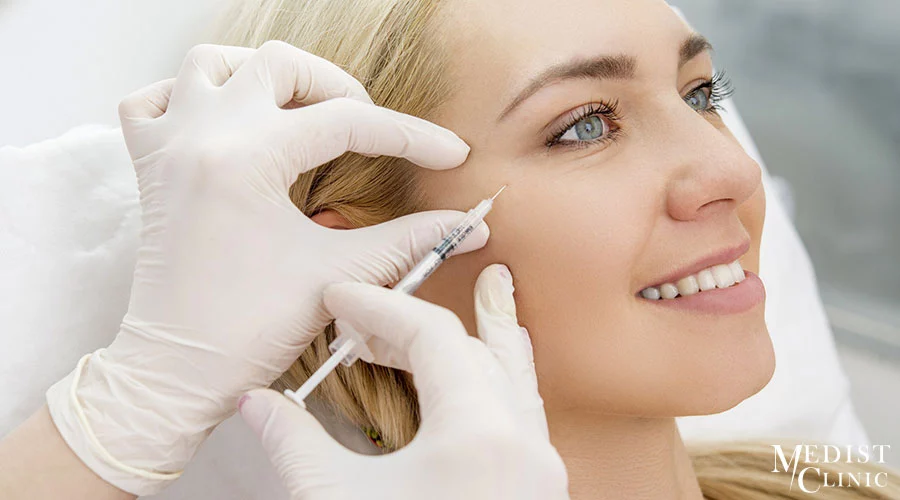
Revolutionizing Beauty: How Medical Beauty is Changing the Aesthetic Landscape

In the modern age, beauty has evolved beyond the traditional world of makeup and skincare products. Today, an increasing number of individuals are turning to medical beauty—a dynamic fusion of science and aesthetics that offers effective, non-surgical solutions for enhancing one's appearance. Combining clinical expertise with advanced technology, medical beauty provides a wide range of non-invasive treatments designed to address skin imperfections, reduce the visible signs of aging, and rejuvenate the body.

This growing sector of the beauty industry is making it easier for people to achieve their desired appearance without the need for traditional, invasive surgery. From Botox to body contouring treatments, medical beauty is proving that looking and feeling your best doesn’t always require going under the knife. In this article, we’ll take a closer look at the world of medical beauty, its increasing popularity, and the most sought-after treatments in this rapidly growing field.

What is Medical Beauty?

At its core, medical beauty refers to a variety of cosmetic treatments that combine medical knowledge with aesthetic enhancement. These treatments typically focus on non-surgical and minimally invasive procedures that provide lasting, noticeable results. Unlike traditional beauty treatments that focus on topical products, medical beauty procedures delve deeper into the layers of the skin, muscles, or fat to provide more substantial and longer-lasting improvements.

The growing appeal of medical beauty lies in the fact that it combines the science of medicine with the art of beauty, all while minimizing the risks and recovery time associated with traditional surgeries. These treatments are often performed by qualified medical professionals, such as dermatologists, cosmetic surgeons, or licensed aestheticians, ensuring that each procedure is safe and effective.

Why Medical Beauty is Gaining Popularity

The popularity of medical beauty can be attributed to several key factors, each contributing to a surge in demand:

1. Quick Results with Minimal Downtime

One of the most attractive aspects of medical beauty is its ability to provide immediate and visible results. Many procedures, such as Botox injections or dermal fillers, deliver noticeable changes almost instantly, with minimal downtime. This is especially appealing for individuals with busy lives who cannot afford the extended recovery periods associated with traditional cosmetic surgeries.

The rapid recovery and effectiveness of these treatments allow people to address their beauty concerns without significant interruption to their daily routines.

2. Subtle, Natural Enhancements

Unlike the drastic transformations often seen with cosmetic surgery, medical beauty focuses on achieving subtle, natural-looking enhancements. Treatments like Botox and dermal fillers are designed to enhance a person’s natural beauty, providing a youthful, refreshed look without altering one’s unique features. This approach is particularly appealing to individuals who want to look younger but don’t want to appear “overdone.”

The goal is often to maintain a natural balance, enhancing features like the jawline, cheeks, or lips while still preserving an individual’s overall appearance.

3. Affordability and Accessibility

Medical beauty treatments offer a more affordable and accessible option for individuals who may not be able to invest in more invasive cosmetic surgery. While the cost of each procedure can vary, non-surgical treatments are typically less expensive than full surgeries. Additionally, with more clinics and medical spas offering these services, medical beauty is becoming available to a broader range of people.

For those seeking non-invasive solutions without the high price tag of surgery, 溶脂針 offers a cost-effective alternative.

4. Advancements in Technology

As medical technology continues to evolve, new, innovative treatments are continuously emerging in the field of medical beauty. From lasers to injectables, modern treatments utilize cutting-edge equipment to achieve superior results. With these technological advancements, procedures have become more precise, safe, and effective.

Many of these treatments are backed by rigorous scientific research, ensuring that patients receive the best possible outcomes with minimal risk.

Popular Medical Beauty Treatments

Medical beauty encompasses a wide array of procedures, each designed to target specific aesthetic concerns. Below are some of the most popular and sought-after treatments in the industry today:

1. Botox and Other Neuromodulators

Botox is perhaps the most well-known treatment in the world of medical beauty. It works by temporarily relaxing the muscles responsible for creating wrinkles, particularly around the eyes, forehead, and mouth. Botox is commonly used to treat crow’s feet, frown lines, and forehead wrinkles, offering patients a smoother, younger-looking complexion.

Other neuromodulators such as Dysport, Xeomin, and Jeuveau are similar to Botox and work in much the same way, but they may vary in their formulation and longevity. These treatments offer a safe, non-invasive solution for reducing the appearance of fine lines and wrinkles.

2. Dermal Fillers

Dermal fillers are injectable substances used to restore volume and smoothness to areas of the face that have experienced volume loss due to aging. They are most commonly used in the cheeks, lips, under-eye area, and jawline. Fillers can help smooth deep wrinkles, plump thin lips, and add definition to the face.

The most common dermal fillers include hyaluronic acid-based options like Juvederm and Restylane, which are favored for their ability to add natural-looking volume and moisture. The results from dermal fillers are typically visible immediately and can last from six months to two years, depending on the type of filler used.

3. Laser Skin Resurfacing

Laser skin resurfacing is an advanced treatment that uses focused laser beams to improve skin texture, tone, and appearance. It targets issues such as sun damage, fine lines, wrinkles, and scarring. Laser resurfacing works by removing the outer layers of the skin and stimulating collagen production, which results in smoother, firmer skin.

Popular types of laser treatments include CO2 lasers and fractional lasers, which can penetrate the skin at different depths depending on the severity of the skin concern. Patients can expect smoother, healthier skin after a few sessions, with results lasting up to a year or more.

4. Chemical Peels

Chemical peels use a chemical solution to exfoliate the skin, helping to remove dead skin cells and promote new skin growth. This treatment is commonly used to treat acne scars, sun damage, uneven pigmentation, and fine lines. Depending on the strength of the chemical solution, chemical peels can be superficial, medium-depth, or deep.

Superficial peels are ideal for mild skin concerns, while deep peels can be used to address more severe issues like scarring or wrinkles. The healing process for deeper peels may take a bit longer, but the results are often more dramatic.

5. CoolSculpting (Fat Freezing)

CoolSculpting is a non-invasive fat reduction treatment that targets stubborn fat cells by freezing them. The process, known as cryolipolysis, freezes fat cells in areas like the abdomen, flanks, or thighs. These frozen fat cells are then naturally eliminated by the body over a few months.

CoolSculpting is ideal for individuals who have localized fat pockets that don’t respond well to diet or exercise. The treatment is non-invasive, requires no recovery time, and results in a noticeable reduction in fat after several sessions.

6. Microneedling

Microneedling, also called collagen induction therapy, involves using tiny needles to create micro-injuries in the skin. This process stimulates the skin’s natural healing response, promoting collagen and elastin production. As a result, microneedling helps to improve the appearance of fine lines, wrinkles, scarring, and uneven skin texture.

For enhanced results, microneedling is often combined with Platelet-Rich Plasma (PRP), which involves using the patient’s own blood to promote healing and rejuvenation. The combination of microneedling and PRP is often referred to as the Vampire Facial.

The Benefits of Medical Beauty

Medical beauty offers several distinct advantages that make it a popular choice for many:

1. Minimal Risk and Recovery Time

One of the most significant benefits of medical beauty is its minimized risk and quick recovery time. Non-invasive procedures like Botox and dermal fillers are generally safe, with little to no downtime required. Most individuals can resume their normal activities immediately after treatment.

2. Long-Lasting Results

Many medical beauty treatments, such as dermal fillers and laser resurfacing, provide results that last for several months or even years, making them an effective long-term solution for those seeking to maintain their youthful appearance.

3. Personalized Approach

Medical beauty treatments are highly customizable to meet the unique needs of each patient. Practitioners assess the individual’s skin type, concerns, and goals to create a tailored treatment plan that delivers optimal results.

Conclusion

Medical beauty represents a growing trend that blends the latest in medical science with the art of beauty. By offering effective, non-invasive treatments, it provides a way for individuals to enhance their appearance, feel more confident, and address common beauty concerns without the need for surgery. As the demand for these treatments continues to rise, medical beauty is poised to become a lasting and integral part of the beauty industry. Whether it’s for anti-aging, body contouring, or skin rejuvenation, medical beauty is changing the way we approach beauty and self-care—one non-invasive treatment at a time.

Leave a Reply

Your email address will not be published. Required fields are marked *

Related Post

Grownup Acne Medicinal Dru- Cure Your Grownup Acne Well Using This Simpleton MethodGrownup Acne Medicinal Dru- Cure Your Grownup Acne Well Using This Simpleton Method

Though this may have been absent during their young old age, it can be a thwarting view for adult ups who contract grownup oncoming acne. It can be a thwarting panoram for suppurate populate who contract adult oncoming acne to look for the best medicament on the commercialise. As an adult you are woe from acne, a condition that you didn 39;t have as a teen; but there is no whodunit if you perceive the conception that acne is a sign of instability within the body.

Contracting acne is more green during pubescence because our young bodies are ever-changing and ontogeny and the same cause can be attributed to grownup onset acne. It is also due to secretion unbalance but this time encircle our secretion imbalance is cause by our bad diet and life-style.

The secretion instability which is caused by a buildup of toxins in variety meat, such as the coloured and kidneys, brings about the materialization of acne. Hormonal imbalance occurs when toxins compile in the body, which in turn produces excessive male hormones, causing an active sebum secretor sequent in oily skin and deterioration acne. The healthy go of the coloured, kidneys, bowels and humor system partly order our hormone levels, this is obstructed when our body is full with toxins and the expended hormones are not filtered and eliminated. The intramural reasons for acne are the real problem especially if you are trying to treat the affliction with local medication.

Some factors negatively poignant the sound run of our internal secretion rule system of rules include pickings antibiotics; leading nerve-racking lives and maintaining a diet high in sugar and fat content and full of additives. Antibiotics and medications such as Accutane obviously are not present in some of the best acne مزایای قرص فارماتون برای افزایش انرژی و کاهش خستگی s because they tend to submerge the endocrine regulation system of rules.

Your adult oncoming acne can be permanently processed by putt your endocrine regulation system of rules back in to balance through a holistic go about. The consequences of treating your body from within in this way, can be seen on the come up with the emergence of flawless skin proving that the acne can been banished for good.

It 39;s a very green scene in our homes that whenever we get ill, we always try to find a simpleton and easy type of solution for that unwellness by our bedside of drugs. If we take an example like when we came back from our work, and it was a pretty hectic day and the warm endure, we usually get a cephalalgia, and we try to find a root of it in a Diclofenac anodyne. But we don 39;t even know that it has sessile with a lot of side personal effects(stomach pain, looseness, nausea etc).

Medication Error is the Second highest in terms of health chec wrongdoing occurrences. One of the studies proves that the 5 of all the hospital admissions are due to an adverse drug effect(ADR) and it is the 5th common cause of infirmary deaths, these medical exam malpractice medicinal dru errors caused 197,000 deaths per year in only European countries.

Before going into the main sports stadium of discourse which is, how can we be able to avoid the medicinal dru errors and what are the prevention measures we can take for our wellness and refuge, we must have to know what are medicine errors, types of medicine errors and what are the most green and infectious medication errors we face in our life.

Lembar Pertama dari Perjalanan Panjang Pencarian Makna, Fungsi, dan Keindahan Bahasa IndonesiaLembar Pertama dari Perjalanan Panjang Pencarian Makna, Fungsi, dan Keindahan Bahasa Indonesia

Bahasa Indonesia bukan sekadar alat komunikasi, melainkan fondasi kebudayaan, identitas, dan persatuan bangsa. Ia lahir dari sejarah panjang interaksi sosial, politik, dan budaya di Nusantara, lalu tumbuh menjadi bahasa nasional yang mempersatukan ratusan etnis dan ribuan pulau. Artikel ini dapat dianggap sebagai “lembar pertama” dalam perjalanan panjang memahami makna, fungsi, dan keindahan Bahasa Indonesia—sebuah perjalanan yang tak pernah benar-benar selesai Jasa load test.

Secara historis, Bahasa Indonesia berakar dari bahasa Melayu yang sejak berabad-abad lalu digunakan sebagai lingua franca di kawasan Asia Tenggara. Kesederhanaan struktur dan keterbukaannya terhadap kosakata asing menjadikan bahasa ini mudah diterima oleh berbagai kelompok masyarakat. Pada momentum Sumpah Pemuda 1928, Bahasa Indonesia diikrarkan sebagai bahasa persatuan, sebuah keputusan visioner yang kelak terbukti krusial dalam perjuangan kemerdekaan dan pembentukan negara bangsa.

Makna Bahasa Indonesia melampaui fungsi literalnya sebagai sarana berbicara dan menulis. Ia adalah simbol kesetaraan. Tidak seperti bahasa daerah tertentu yang terikat pada struktur sosial atau kelas, Bahasa Indonesia berdiri relatif netral. Setiap warga negara dapat menggunakannya tanpa beban hierarki. Di ruang publik—sekolah, pemerintahan, media, dan dunia digital—Bahasa Indonesia menjadi titik temu yang memungkinkan dialog lintas latar belakang.

Dari sisi fungsi, Bahasa Indonesia memainkan peran sentral dalam pendidikan dan pengembangan ilmu pengetahuan. Sebagai bahasa pengantar di sekolah dan perguruan tinggi, ia membantu mentransmisikan pengetahuan kepada generasi muda. Tantangannya, tentu, adalah bagaimana memastikan Bahasa Indonesia mampu mengikuti perkembangan ilmu dan teknologi global. Proses penyerapan istilah asing, pembentukan padanan kata, dan pembakuan istilah menjadi pekerjaan berkelanjutan yang menuntut ketelitian dan kebijaksanaan para ahli bahasa.

Di ranah sosial dan politik, Bahasa Indonesia juga berfungsi sebagai alat pembentuk opini dan kesadaran kolektif. Pidato, undang-undang, berita, hingga unggahan media sosial membentuk realitas publik melalui bahasa. Pilihan kata, gaya penyampaian, dan struktur kalimat dapat memengaruhi cara masyarakat memahami suatu isu. Karena itu, literasi bahasa menjadi kunci penting agar masyarakat tidak hanya mampu menggunakan bahasa, tetapi juga mengkritisinya.

Keindahan Bahasa Indonesia sering kali ditemukan dalam sastra. Puisi, cerpen, novel, dan esai menjadi ruang eksplorasi estetika bahasa. Dengan diksi yang kaya dan fleksibel, Bahasa Indonesia mampu mengekspresikan emosi yang halus maupun gagasan yang kompleks. Karya-karya sastrawan seperti Chairil Anwar, Pramoedya Ananta Toer, hingga penulis kontemporer menunjukkan bahwa Bahasa Indonesia bukan bahasa yang “miskin”, melainkan bahasa yang terus berkembang bersama imajinasi penuturnya.

Namun, perjalanan Bahasa Indonesia tidak lepas dari tantangan. Globalisasi, dominasi bahasa asing, dan kebiasaan berbahasa yang serba cepat di era digital sering kali menggeser kaidah dan ketepatan. Campur kode, singkatan berlebihan, dan penurunan minat membaca menjadi gejala yang perlu disikapi dengan bijak, bukan dengan sikap menolak perubahan, melainkan dengan upaya menumbuhkan kesadaran berbahasa yang baik dan bertanggung jawab.

Sebagai lembar pertama dari perjalanan panjang, memahami Bahasa Indonesia berarti membuka diri terhadap proses belajar yang terus-menerus. Bahasa ini hidup, berubah, dan tumbuh bersama para penuturnya. Menjaga makna, mengoptimalkan fungsi, dan merayakan keindahannya adalah tugas bersama—sebuah perjalanan kolektif yang mencerminkan siapa kita sebagai bangsa dan ke mana kita ingin melangkah.

Chinese Medicine: Ancient Wisdom for Modern HealingChinese Medicine: Ancient Wisdom for Modern Healing

Chinese medicine, a system that dates back over 2,000 years, offers a holistic approach to health that views the human body as an interconnected whole. Unlike Western medicine, which often focuses on treating specific diseases or symptoms, Traditional Chinese Medicine (TCM) takes a more comprehensive view of health, emphasizing the balance and flow of energy within the body. This ancient healing system encompasses a wide range of treatments, including acupuncture, herbal medicine, cupping, and dietary therapy, and has become increasingly popular worldwide for its natural and preventative approach to health.

The Philosophical Foundations of Chinese Medicine

The roots of Chinese medicine are deeply intertwined with ancient Chinese philosophy, particularly Taoism. According to Taoist principles, the human body is not separate from nature but is deeply connected to the environment and the universe at large. This belief in interconnectedness shapes the core principles of chinese medicine clinic hong kong , which emphasize balance, harmony, and the flow of energy.

1. Qi (Chi) – The Vital Life Force

At the heart of Chinese medicine is the concept of Qi (pronounced “chee”), the vital life force that flows through every living thing. Qi is considered the fundamental energy that powers all physiological functions and maintains health. When Qi is abundant and flowing freely, the body is in balance, and health is maintained. However, when Qi becomes blocked, weakened, or unbalanced, it can lead to illness. The primary goal of Chinese medicine is to restore the smooth flow of Qi to promote healing and prevent disease.

2. Yin and Yang – The Balance of Opposites

Another foundational principle of Chinese medicine is the concept of Yin and Yang. Yin and Yang represent the dual, complementary forces that exist within the universe and the body. Yin is associated with coolness, passivity, rest, and substance, while Yang represents warmth, activity, energy, and function. Health is believed to exist when Yin and Yang are in balance, but when either force becomes excessive or deficient, it can lead to illness. For example, an excess of Yang energy may result in symptoms like fever and inflammation, while a deficiency of Yin can manifest as dryness, fatigue, and night sweats.

3. The Five Elements – A Guide to Understanding the Body

The Five Elements theory is another key component of Chinese medicine. The five elements—Wood, Fire, Earth, Metal, and Water—are used to describe the various energetic processes in the body. Each element corresponds to specific organs, emotions, and seasons. For instance, the Wood element is linked to the Liver, and an imbalance in the Liver might manifest as irritability or digestive issues. By understanding how the elements interact, Chinese medicine practitioners are able to identify imbalances and develop individualized treatment plans.

Key Therapies in Chinese Medicine

Chinese medicine employs a wide range of therapies that aim to restore balance and promote healing in the body. These therapies often work together, complementing one another to address the root cause of illness and optimize health.

1. Acupuncture – Restoring the Flow of Qi

Acupuncture is one of the most widely recognized practices in Chinese medicine. It involves inserting very fine needles into specific points on the body, known as acupuncture points, to influence the flow of Qi along the body’s meridians. There are over 350 acupuncture points in the body, each corresponding to a specific organ or system. By stimulating these points, acupuncture helps to clear blockages in the flow of Qi, restore balance, and promote healing. Acupuncture is used to treat a wide variety of conditions, including chronic pain, stress, digestive issues, and hormonal imbalances.

Acupuncture has been shown to be particularly effective for pain management, with studies indicating that it can help alleviate conditions like osteoarthritis, migraines, and back pain. Additionally, acupuncture is used as a complementary treatment in fertility treatments, such as in vitro fertilization (IVF), to enhance reproductive health.

2. Herbal Medicine – Natural Remedies for Healing

Herbal medicine is a cornerstone of Chinese medicine, and practitioners use a vast array of plant-based substances to create remedies tailored to each individual’s needs. Chinese herbal formulas are often composed of multiple herbs, each chosen for its specific therapeutic properties. These herbs work together synergistically to address both the symptoms and the underlying causes of illness.

Some commonly used herbs include:

  • Ginseng: Known for boosting energy, enhancing immune function, and improving mental clarity.
  • Gingko Biloba: Often used to improve circulation and cognitive function.
  • Astragalus: A powerful immune-boosting herb used to prevent colds and respiratory infections.
  • Dang Gui: Often referred to as “female ginseng,” this herb is used to regulate menstrual cycles, improve blood circulation, and address menopausal symptoms.

Herbal remedies are typically prescribed in the form of teas, pills, powders, or tinctures and are often combined with acupuncture for a more holistic approach.

3. Cupping Therapy – Promoting Circulation and Detoxification

Cupping therapy is another ancient technique in Chinese medicine that has recently gained popularity in the West. It involves placing glass or plastic cups on the skin and creating a vacuum inside the cups, which causes the skin and underlying tissue to be pulled upwards. This process is believed to improve the flow of Qi, enhance circulation, and release toxins from the body. Cupping is commonly used to treat muscle pain, respiratory conditions, and even skin problems like acne.

The therapy has been particularly popularized by athletes like Michael Phelps, who showcased his cupping marks during the 2016 Olympics. The suction created by the cups can help to relieve muscle tension, promote healing, and increase blood flow to areas of the body that may be experiencing stagnation.

4. Moxibustion – Using Heat to Strengthen the Body

Moxibustion is a therapy that involves burning dried mugwort (moxa) near specific acupuncture points to warm the body and promote the flow of Qi. The heat from the moxa is believed to expel cold and dampness from the body, warm the meridians, and stimulate the body’s self-healing mechanisms. Moxibustion is often used to treat conditions like cold-related diseases, digestive issues, and menstrual irregularities.

There are two main types of moxibustion: direct and indirect. In direct moxibustion, the moxa is burned directly on the skin, while in indirect moxibustion, a stick of moxa is held near the skin to provide heat without touching it.

5. Tai Chi and Qigong – Moving Meditation for Health

Tai Chi and Qigong are mind-body practices that combine slow, deliberate movements, breathing exercises, and meditation. Both practices are designed to cultivate and balance Qi within the body. Tai Chi, a form of martial art, emphasizes fluid, controlled movements that improve balance, flexibility, and strength, while Qigong focuses on breath control and meditation to enhance the body’s energy flow.

Both practices are highly effective in reducing stress, improving circulation, and promoting overall health and well-being. Studies have shown that Tai Chi and Qigong can improve balance and coordination, reduce anxiety and depression, and enhance quality of life for individuals with chronic health conditions.

The Modern Relevance of Chinese Medicine

In the 21st century, Chinese medicine is experiencing a resurgence, particularly in the West, as more people seek natural alternatives to pharmaceutical treatments. Chinese medicine's emphasis on prevention, individualized care, and holistic treatment resonates with those who are looking for ways to enhance their health without relying on synthetic drugs.

1. Chronic Pain and Stress Relief

Chronic pain and stress are two of the most common reasons people seek Chinese medicine treatments. Acupuncture, cupping, and herbal remedies are often used to alleviate pain from conditions like arthritis, migraines, and back pain. These therapies not only help to reduce pain but also promote relaxation, improve blood circulation, and address the root causes of the discomfort.

2. Mental and Emotional Well-being

Chinese medicine also offers effective solutions for managing stress, anxiety, and depression. Acupuncture has been shown to regulate the nervous system, increase the production of endorphins, and reduce stress hormones like cortisol. Additionally, Tai Chi and Qigong provide powerful tools for improving mental clarity, reducing anxiety, and fostering emotional well-being.

3. Digestive Health

The holistic approach of Chinese medicine is particularly beneficial for treating digestive disorders. Conditions like irritable bowel syndrome (IBS), bloating, and acid reflux are commonly treated with acupuncture, herbal remedies, and dietary adjustments. TCM views digestive health as a reflection of the body’s overall balance, and treatment is aimed at restoring harmony to both the digestive system and the rest of the body.

Conclusion

Chinese medicine offers a rich, time-tested approach to health that prioritizes balance, prevention, and holistic healing. With its emphasis on restoring the flow of Qi, harmonizing Yin and Yang, and utilizing natural therapies, Chinese medicine provides a comprehensive framework for achieving lasting health and wellness. As its practices continue to gain popularity in the modern world, Chinese medicine stands as a valuable complement to conventional medical treatments, helping individuals achieve a deeper sense of balance and vitality in their lives. Whether through acupuncture, herbal medicine, or Tai Chi, Chinese medicine offers powerful tools for achieving wellness in a fast-paced, often stressful world.

How to evaluate chest wall tumor pathways effectively?How to evaluate chest wall tumor pathways effectively?

Introduction: Clear definitions, real decisions

A chest wall mass is not only a clinical sign; it is a decision point. A chest wall tumor can be benign or malignant, but time and clarity matter. When people feel an odd lump along a rib, they often search for answers like tumor in chest and try to map next steps. Picture a parent who notices a firm bump after a cough-filled winter. They wait, then worry. In most clinics, the route is quite standard (and for good reason): history, exam, computed tomography, and a biopsy if needed. This is not guesswork—it is a proven path. Yet questions remain. How do you compare options for speed, safety, and accuracy? Which steps help, and which slow you down?

Here is a simple frame. A mass that changes size or causes pain deserves timely imaging. CT or MRI can show involvement of muscle, cartilage, or rib. A small core needle biopsy can confirm the histology. These tools anchor the plan and set the stage for the right resection margins if surgery follows. But practical issues get in the way—access, wait times, and fear. We often delay, then rush. — funny how that works, right? The goal of this guide is to help you compare pathways with a calm eye. We will go from the everyday to the advanced, and weigh what each route offers. Let’s move to the next step.

Comparative insight: Where classic routes fall short

Where do classic methods fall short?

Earlier, we outlined the basics. Now, let’s cut deeper into the weak spots. Classic workups rely on CT, MRI, and a biopsy. They do well at showing size and planes. Still, they can miss the “soft” signals that plan care. Pain mapping, cough stress, and breathing limits often sit outside the image. That gap affects the choice between an excisional biopsy and a staged resection. It also affects how we plan reconstruction. In short, technical steps can be right, yet the pathway can still feel wrong for the person.

Look, it’s simpler than you think. The main flaws are delay, fragmentation, and uncertainty. Delay: scattered visits can push a diagnosis by weeks. Fragmentation: radiology, pathology, and thoracic surgery may not sync schedules. Uncertainty: results arrive in pieces, so decisions wobble. These gaps matter when a chondrosarcoma grows along the rib or sternum. They matter when resection margins must be wide to prevent local recurrence. Even the best CT cannot fix a broken route. A single coordination point, plus early core needle biopsy, often beats a “wait, repeat, refer” loop. Add a clear plan for physiotherapy and pain control, and the old pathway starts to look dated—because it is.

New principles and real-world balance

What’s Next

Forward-looking care builds on classic tools and then reduces friction. The principle is simple: integrate, predict, and prepare. Integration means one timeline for imaging, biopsy, and review—one week, not three. Prediction uses pattern-aware reading of MRI and CT to flag cartilage invasion, and to size resection margins before the first incision. Preparation blends 3D planning for chest wall reconstruction (mesh, plates) with an early anesthesia plan for pain blocks. This is not hype. It is a set of small steps that lower risk and shorten the path to treatment. When you place chest tumor symptoms in that flow—pressure, swelling, or a firm, fixed lump—you get a clearer triage: image fast, biopsy early, decide once.

Compare two routes. Route A uses serial scans, a late incisional biopsy, and a last-minute tumor board. Route B starts with CT, moves to core needle biopsy, then holds a joint review in days. Route A drifts. Route B aligns. In sarcoma care, alignment is a form of safety. It reduces re-operations and helps plan reconstruction after thoracotomy or partial sternectomy. It also clarifies when adjuvant radiotherapy helps. The lesson so far: we do not need exotic tools to improve results—only a tighter loop and better handoffs. — and then it clicks.

How to choose a strong pathway: three metrics

Let’s close with three practical measures that you can apply today. First, time-to-diagnosis: can you complete imaging and biopsy within 10–14 days? Shorter time reduces drift. Second, margin planning quality: do reports describe depth, rib or cartilage contact, and a target for clear resection margins? That detail guides safe surgery. Third, coordination index: is there a single point who aligns radiology, pathology, and thoracic surgery in one review? One call, one decision. These metrics work for any case of chest tumor symptoms, benign or malignant. They reward simple discipline over complexity. Choose the route that scores high on all three, and the path from first symptom to recovery is smoother, safer, and kinder. For further reading and structured guidance, see ICWS.

Botox: The Secret to Timeless BeautyBotox: The Secret to Timeless Beauty

As one of the most popular and trusted aesthetic treatments, Botox has transformed the world of cosmetic medicine. Known for its ability to reduce wrinkles and fine lines, Botox offers a non-invasive solution for achieving a youthful, refreshed appearance. At Lexington Prime Aesthetics & Wellness, we specialize in delivering natural-looking results that enhance your confidence and beauty.

What is Botox?

Botox is a purified protein that temporarily relaxes the facial muscles responsible for wrinkles and fine lines. By softening these muscles, Botox smooths out the skin, creating a more youthful and rejuvenated appearance. It is FDA-approved and widely regarded as a safe and effective treatment.

Benefits of Botox

Botox offers a wide range of benefits, including:

  • Smooth skin: Reduces the appearance of wrinkles, including crow’s feet, forehead lines, and frown lines.
  • Quick treatment: Sessions typically take 15-30 minutes, with no downtime required.
  • Long-lasting effects: Results can last up to 4 months with proper maintenance.
  • Preventative care: Helps prevent deeper lines from forming with regular use.

Why Choose Lexington Prime Aesthetics & Wellness?

Our experienced medical professionals are dedicated to providing safe, effective, and personalized Botox treatments. We focus on enhancing your natural beauty while ensuring your comfort and satisfaction. Whether you’re new to Botox or looking to maintain your results, we’re here to guide you every step of the way.

Refresh Your Look Today

Rediscover your confidence with the transformative power of Botox. Learn more about our Botox treatments in Lexington, KY, and schedule your consultation today. Timeless beauty is just a phone call away!

Lexington Prime Aesthetics & Wellness
989 Governors Lane, Suite 375, Lexington, KY 40513
Phone: 859-785-1681
Hours: Mon – Fri: 9am – 5pm