
Togelup Situs Games Vs. Sports Betting Which One Pays More?


The Night the Numbers Spoke Louder Than the Crowd

The neon glow of the Togelup Situs test periodic in sync with Adi s beat. Around him, the sports bar erupted cheers, groans, the tinkle of eyeglasses as the final examination seconds ticked off the basketball game. His buddy Rian had just won 500K IDR on a last-second three-pointer. Adi unscheduled a grin, clapped along, but his eyes kept flicking back to his telephone. There, in the quieten hum of the Togelup app, his numbers game had just hit: 4D, straightaway oppose. The payout? 3.2 trillion IDR. No extra time drama. No referee debates. Just cold, hard digits orientating dead.Rian nudged him. Bro, you look like you just won the lottery. What s up? Adi hesitated. He d been horseback riding the sports indulgent wave for months, chasing the Adrenalin of live games. But this evening, Togelup had bimanual him a win six multiplication large with half the strain. That s when it clicked: the real wonder wasn t which was more exciting. It was which one paid more.

Payout Structures: The Math Behind the Thrill

Togelup Situs games and sports card-playing live in different business universes. Sportsbooks fly high on volatility. Odds transfer like sand, and payouts calculate on how many others bet the same way. A 100K IDR bet on a 2.00 odds soccer pit might net you 200K IDR if you re right. But if the underdog wins, the bookmaker s margin eats into your profit. Togelup? It s a rigid-odds game. Bet 10K IDR on a 4D number, and if it hits, you pocket 3.2 trillion IDR. No surprises. No last-minute heartbreaks.The remainder isn t just in the numbers game. It s in the verify. Sports betting rewards noesis stats, injuries, endure but even experts get blindsided. Togelup rewards pattern realization. Study past draws, cover hot numbers, and your odds meliorate. Not to 100, but enough to tilt the scales in your privilege over time.

3 Ways to Stack the Odds in Your Favor

1. Bet Small, Win Big The Togelup Edge Sports betting payouts scale with risk. Bet 500K IDR on a 3.00 odds tennis play off, win 1.5 million IDR. But lose, and you re out half a mil. Togelup flips the handwriting. A 10K IDR bet on 4D can take back 3.2 zillion IDR. The ? The odds of striking are slim. The fix? Bet triune modest combinations instead of one big come. Spread 100K IDR across 10 different 4D numbers game. One hit covers your losses and then some. Sportsbooks can t compete with that kind of purchase. 2. Time Your Plays Like a Pro Sports card-playing is a 24 7 circus. Games materialise at odd hours, odds transfer by the minute, and emotions cloud over sagacity. Togelup draws run on a agenda usually twice . Use that speech rhythm. Check past results for patterns(e.g., certain numbers racket hitting more often on weekends). Place your bets before the draw closes, not in the heat of the minute. Sports bettors chase momentum; Togelup players exploit . 3. Bankroll Rules: Don t Let the House Win the Long Game Here s the cruel Truth: both games favor the domiciliate. But Togelup s rigid payouts make it easier to wangle losings. Set a hebdomadally determine say, 200K IDR and sting to it. If you lose 50K IDR on Monday s draw, don t down on Tuesday. Sports card-playing s variable star odds make this harder. A bad blotch can wipe you out fast. With Togelup, a 1 win can reset your poise. Treat it like a nest egg plan, not a get-rich-quick scheme.

The Bottom Line: Which One Fills Your Wallet Faster?

Adi s phone buzzed. Another telling: Congratulations You ve won 1.8 billion IDR on 3D. Rian s jaw dropped. How many games did you bet on to get that? Adi smirked. None. Just three Togelup game. Sports card-playing is a rollercoaster exhilar
Leave a Reply

Your email address will not be published. Required fields are marked *

Related Post

Day‍‌‍‍‌ Trading Funded Account Discipline Techniques for BeginnersDay‍‌‍‍‌ Trading Funded Account Discipline Techniques for Beginners

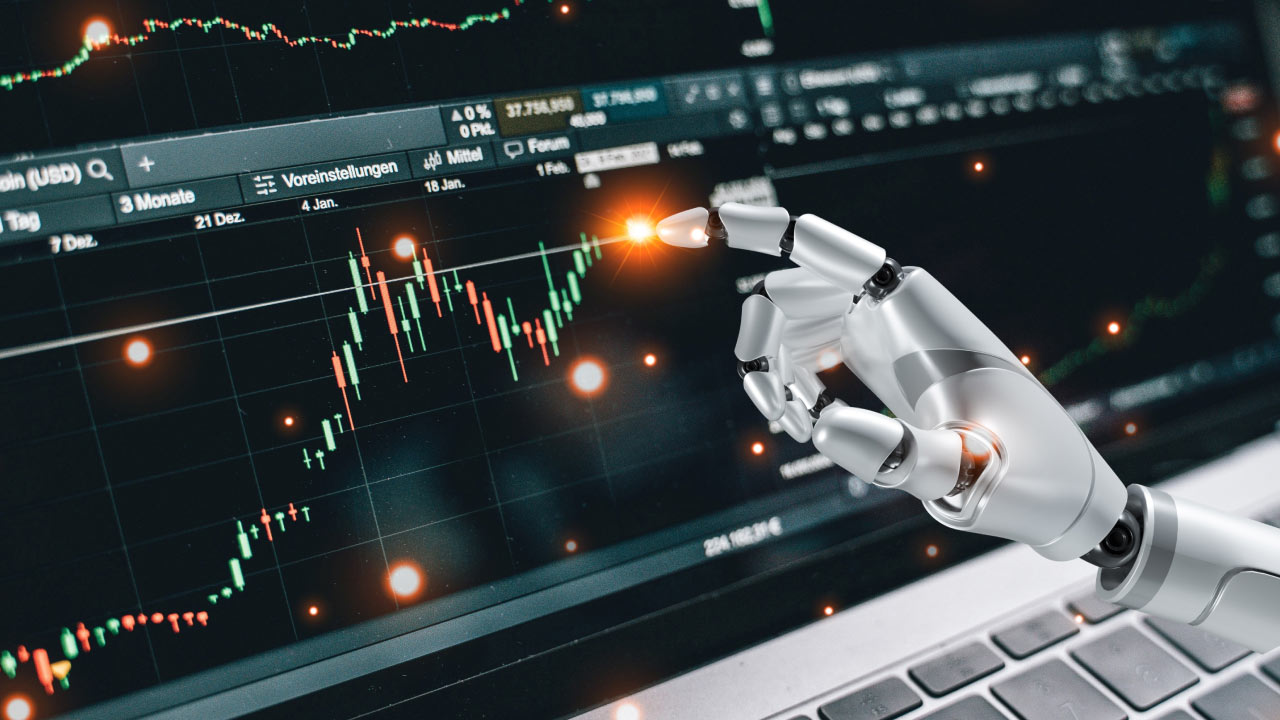
Benefits and Risks of Using AI in Trading: A robotic hand interacting with a forex trading chart on a computer screen, symbolizing AI-driven trading strategies.

Trading with a funded account, discipline is probably one of the main factors of success. All beginners might find it hard to have control over themselves in their very first trading experience especially if they are dealing with real money. You can think of discipline almost as a "habituated" kind of behavior that you do subconsciously. In this case, after being disciplined for some time you can be sure that all your trading decisions will be based on well-thought-out strategies rather than on instincts and feelings. Staying disciplined at the same time means that you will not over trade, will be able to limit your losses, and finally, you will become consistently profitable. To put it another way, even the best trading strategies can be ineffective in a funded account if the trader is undisciplined.

Developing a Trading Plan and Following it Religiously

Making a detailed trading plan and strictly following it is by far the most effective way of achieving discipline. Day trading for beginners can significantly benefit if they specify their entry and exit points, risk levels, and daily or weekly goals upfront. If a trader sticks to the plan like a "kelly fish", the chances of emotionally driven trades are significantly reduced and decisions are more considered than spontaneous. If in a funded account, one has to really follow the plan as is because the money is real and mistakes could cost dearly. Your trading plan is your guide and a plan well thought out is a definite recipe for discipline and consequently, success in the long haul.

Make Rules and Keep to Them

One more discipline technique that day trading beginners can adopt is to allow themselves a fixed loss and profit per day. A stop loss should be set for every trade and more importantly, the take-profit level should be predetermined as well. Traders who are able to keep these rules are not influenced by their emotions such as greed or fear. A funded account is a piece of professional equipment and an important thing it can teach one is to have such limits along with working hard at protecting the account. If one respects these boundaries on a daily basis one will gradually form such a good discipline that the trading would be consistent and planned rather than unplanned and emotional.

Keep a Record of All Your Trades

Recording all the trades in one's journal is the best and quite a simple way of practicing discipline for day trading beginners. A journal should be able to convey a full story of a trade from the trader's decision-making process through the market conditions to the results. Evaluating the journal from time to time will help the beginner spot the behavior patterns that led to mistakes and thus avoid them in the future. If consistent, journaling is one of the ways that a funded account holder is able to prove his/her accountability and in the meanwhile, it also reveals if discipline was maintained. Continual use of this instrument builds the trader's strength, and willingness to be disciplined at all times, hence the trader's success becomes more and more inevitable.

Summary

To sum up, being disciplined at all times is the number one key to success with a funded account especially if you are a beginner at day trading. Some of the ways include making and following a plan, setting strict limits, and keeping a pension that can instill rational and consistent decision-making. Discipline is a tool to make trading free of emotions, safe your capital, and at the same time, have more confidence in your strategies. When you have mastered these techniques, you will basically have transformed your way of day trading at the same time your funded account will be steadily growing with a guarantee that every trade will be a well-calculated ‍‌‍‍‌one.

Understanding Ledger: The Backbone Of Modern Financial ManagementUnderstanding Ledger: The Backbone Of Modern Financial Management

In the world of finance, few tools are as essential as the ledger. A ledger download serves as the foundation of accounting, providing an organized record of every transaction that takes place within an organization or financial system. Whether it is a business tracking income and expenses, or a blockchain network storing digital transactions, the ledger plays a crucial role in ensuring transparency, accuracy, and accountability. Understanding how a ledger works and why it is vital can help individuals and businesses maintain control over their financial data and make informed decisions.

A ledger is essentially a detailed record book or database where financial transactions are systematically documented. Traditionally, ledgers were physical books maintained by accountants or bookkeepers, filled with handwritten entries that recorded credits, debits, and balances. In modern times, however, ledgers have evolved into digital systems that automatically update and calculate data in real time. These digital ledgers form the core of accounting software like QuickBooks, Xero, and Tally, simplifying the process of bookkeeping and minimizing human error.

The primary purpose of a ledger is to track all financial activities in one place. Every sale, purchase, payment, or receipt made by a company is entered into the ledger. This organized record helps businesses analyze their performance, understand their cash flow, and ensure their financial statements are accurate. The ledger also serves as evidence in case of audits, disputes, or tax filings, providing a transparent view of every transaction ever made.

A typical ledger is divided into several accounts that represent different aspects of a company’s finances. These include assets, liabilities, equity, revenue, and expenses. Each account records specific types of transactions — for example, an asset account might track company-owned equipment or property, while an expense account would record costs like rent, utilities, and salaries. By separating transactions into these categories, the ledger ensures clarity and precision in financial reporting.

One of the most common types of ledgers used in accounting is the general ledger (GL). This central ledger contains all the financial data of an organization, serving as the main source for preparing financial statements such as the balance sheet and income statement. In addition to the general ledger, businesses may also maintain subsidiary ledgers for specific purposes, such as accounts payable, accounts receivable, and inventory management. These subsidiary ledgers provide detailed information about particular accounts while keeping the general ledger concise and manageable.

In the past decade, the concept of the ledger has gained a new dimension with the rise of blockchain technology. A blockchain is essentially a digital ledger distributed across a network of computers. Unlike traditional centralized ledgers, blockchain ledgers are decentralized and immutable, meaning that once a transaction is recorded, it cannot be altered or deleted. This ensures a high level of security and transparency, making blockchain ledgers ideal for recording cryptocurrency transactions, smart contracts, and other digital assets.

The blockchain ledger operates through a process known as consensus, where multiple participants in the network validate and agree on transactions before they are permanently added to the ledger. Each transaction is stored in a “block,” which is linked to the previous one, forming a continuous and secure chain of records. This structure eliminates the need for intermediaries such as banks or brokers, reducing costs and increasing efficiency in financial operations.

In modern business, maintaining an accurate ledger is not just a matter of compliance — it is a strategy for success. A well-organized ledger allows companies to monitor their financial health, identify trends, detect irregularities, and plan for future growth. It also helps build trust with stakeholders, investors, and clients, as a transparent ledger demonstrates the company’s commitment to honesty and accountability.

Furthermore, ledgers play an important role in financial auditing and governance. Auditors rely on ledger records to verify that financial statements are correct and free of misstatements. Governments and regulatory bodies often require businesses to maintain ledgers for a specific period, ensuring there is a reliable trail of evidence for tax assessments and legal compliance.

With technological advancements, many organizations now use automated ledger systems integrated with artificial intelligence (AI) and machine learning. These systems can detect anomalies, generate predictive insights, and automatically reconcile transactions. This not only saves time but also enhances the accuracy of financial data. Cloud-based ledgers have also made it possible for businesses to access their financial information from anywhere in the world, ensuring real-time collaboration between accountants, managers, and decision-makers.

However, despite its many benefits, maintaining a ledger also comes with challenges. Data security, accuracy of entries, and consistent record-keeping are essential to avoid discrepancies. Even a small mistake in a ledger entry can lead to major financial miscalculations or compliance issues. Therefore, organizations must implement strict data validation and auditing procedures to ensure their ledgers remain accurate and reliable.

In conclusion, the ledger remains one of the most important tools in financial management, whether in traditional accounting or modern blockchain technology. It provides a structured framework for recording, organizing, and verifying transactions, ensuring transparency and trust in every financial activity. From ancient handwritten books to advanced decentralized systems, the ledger has evolved — but its purpose has remained the same: to serve as the backbone of financial integrity.

As technology continues to advance, the future of ledgers looks even more promising. With innovations like smart ledgers, AI-driven accounting, and real-time financial analytics, ledgers will not only record transactions but also provide insights that drive strategic decision-making. Whether you are managing a small business, a global corporation, or digital assets on a blockchain, understanding and maintaining your ledger effectively is key to achieving long-term financial success and stability

全面解析计算机安全软件在现代数字环境中保障数据安全、防止网络威胁及提升系统稳定性的关键作用全面解析计算机安全软件在现代数字环境中保障数据安全、防止网络威胁及提升系统稳定性的关键作用


随着数字化进程的不断加快,计算机安全软件已经成为保障个人用户和企业信息安全的重要工具。在日益复杂的网络环境中,病毒、恶意软件、木马程序和勒索软件等威胁层出不穷,给计算机系统和敏感数据带来了巨大的风险。计算机安全软件通过多层防护机制,为操作系统、应用程序以及网络通信提供实时监控和防护,确保数据的完整性、机密性和可用性,成为现代信息安全体系中不可或缺的一环。

计算机安全软件的核心功能之一是病毒扫描和防护。它可以实时检测和清除各种已知的病毒威胁,同时利用行为分析和人工智能技术识别潜在的新型恶意程序。相比传统手动查杀病毒,现代安全软件能够自动更新病毒库和防护规则,确保系统在面对快速变化的网络威胁时依然保持安全性。这种自动化和智能化的防护大大降低了用户的操作负担,同时提升了防御效率。

除了病毒防护,计算机安全软件还提供防火墙功能,用于监控和管理进出计算机的网络流量。通过过滤不安全的网络连接和阻止可疑的入侵行为,防火墙能够有效防止黑客攻击、网络钓鱼和数据泄露。许多先进的软件还支持入侵检测系统(IDS)和入侵防御系统(IPS),可以在攻击发生之前及时识别威胁并采取相应措施,极大增强了计算机系统的 火绒杀毒 防御能力。

隐私保护也是计算机安全软件的重要功能。随着云存储、在线支付和社交网络的普及,个人隐私信息容易被非法收集和滥用。现代安全软件通常包含数据加密、隐私清理和防跟踪功能,帮助用户保护敏感信息,如密码、银行卡号和个人身份信息。通过主动防护和风险提示,用户能够在日常上网和办公过程中有效降低隐私泄露的风险。

此外,计算机安全软件在提升系统性能和稳定性方面也发挥着积极作用。通过定期扫描系统漏洞、清理垃圾文件和优化启动程序,软件不仅保障了系统的安全性,还提高了计算机的运行效率。对于企业而言,这种综合性的安全管理能够减少因网络攻击或系统故障带来的停机和经济损失,同时增强业务连续性和信任度。

随着网络攻击手段的不断升级,人工智能、机器学习和大数据分析正在被广泛应用于计算机安全软件中。这些技术能够实时分析海量数据,预测潜在威胁并提供智能防护方案,使安全软件从被动防御逐渐向主动防御发展。未来,随着物联网、云计算和移动办公的普及,计算机安全软件的应用范围将更加广泛,其在保护数字资产和信息安全中的地位将愈加重要。

总之,计算机安全软件不仅是防范病毒和网络攻击的工具,更是保障数字化生活和企业运营稳定性的核心技术。通过多层次的防护、智能化的威胁识别和完善的隐私保护,它为用户提供了安全可靠的计算环境,帮助应对不断变化的网络安全挑战,成为现代数字时代不可或缺的关键技术保障。

How to Deposit 5 Ribu on Slot Sites Without Hidden Fees ,How to Deposit 5 Ribu on Slot Sites Without Hidden Fees ,

HOW TO DEPOSIT 5 RIBU ON SLOT SITES WITHOUT HIDDEN FEES

WHAT IS A “SITUS SLOT DEPOSIT 5 RIBU”?

A situs slot deposit 5 ribu is an online slot site that lets you start playing with just 5,000 Indonesian rupiah. These sites are built for players who want low entry costs and quick wins. Most use local payment methods like pulsa, e-wallets, or bank transfers to keep deposits small and simple. Always check the site’s minimum deposit rule—some show 5,000 IDR but add hidden fees that push the real cost higher.

Look for sites that clearly state “deposit 5 ribu no admin” in their promotions. These sites skip extra charges and let your full 5,000 IDR go straight into your game balance. Avoid any site that asks for “biaya admin” or “verification fees” before you can play.

HOW DO I FIND A TRUSTED SITUS SLOT DEPOSIT 5 RIBU?

Start with a quick Google search for “situs slot deposit 5 ribu terpercaya 2024.” Scan the first page results for sites with active licenses from PAGCOR or Curacao. Check the footer for a valid license number and click it to confirm it’s real. If the license link is broken or the number doesn’t match, move on.

Next, read recent player reviews on forums like Kaskus or Reddit. Look for comments about fast withdrawals and zero hidden fees. Sites with many complaints about “potongan deposit” or “pending withdrawals” are red flags. Stick to sites with at least 4 out of 5 stars from 50+ reviews.

WHAT PAYMENT METHODS WORK FOR 5,000 IDR DEPOSITS?

The best options are e-wallets like Dana, OVO, and LinkAja. These let you deposit exactly 5,000 IDR with no extra fees. Open your e-wallet app, select “deposit,” enter the site’s merchant code, and confirm the 5,000 IDR transfer. Your balance updates in under a minute.

Pulsa deposits also work but often add a small service fee. Use Telkomsel or XL Axiata and send the exact amount shown on the site. Avoid bank transfers for 5,000 IDR—most banks charge 6,500 IDR for transfers, which eats your entire deposit.

HOW DO I AVOID HIDDEN FEES WHEN DEPOSITING 5 RIBU?

Always read the deposit page before entering any amount. Sites that charge fees usually list them in small text under the amount box. If you see “biaya admin 1,000 IDR” or “service fee 5%,” the real cost is higher than 5,000 IDR. Close the page and find a site that says “no admin fee” or “0% fee.”

Use promo codes for free deposit bonuses. Many situs slot deposit 5 ribu offer codes like “DEPO5KGRATIS” that waive all fees. Enter the code in the promo box before confirming your deposit. This ensures your full 5,000 IDR goes into your balance without deductions.

WHAT STEPS SHOULD I FOLLOW TO DEPOSIT EXACTLY 5,000 IDR?

Log in to your slot site account and go to the deposit page. Select your payment method—Dana, OVO, or LinkAja work best. Enter 5,000 in the amount box and double-check for any hidden fees. If the site shows a total higher than 5,000 IDR, cancel and try another site.

Confirm the payment in your e-wallet app. Wait 30 seconds for the site to update your balance. If the balance shows 5,000 IDR, you’re ready to play. If it shows less, contact live chat immediately—they can fix it if you deposited the correct amount.

WHAT GAMES CAN I PLAY WITH A 5,000 IDR DEPOSIT?

Start with penny slots like “Sweet Bonanza” or “Gates of Olympus.” These games let you bet as low as 100 IDR per spin, so your 5,000 IDR can last 50 spins. Look for slots with high RTP (96% or above) to stretch your deposit further. Avoid progressive jackpot slots—they often require higher bets.

Some sites also offer “demo mode” for free. Use this to practice before risking your 5,000 IDR. Once you’re comfortable, switch to real money and start with the smallest bet. This way, you learn the game without losing your deposit quickly.

HOW DO I WITHDRAW MY WINNINGS FROM A 5,000 IDR DEPOSIT?

Check the site’s minimum withdrawal amount. Most situs Slot Gacor deposit 5 ribu let you withdraw as little as 10,000 IDR. If you win 20,000 IDR, you can cash out immediately. Go to the withdrawal page, select your e-wallet, and enter the amount. Confirm the request and wait 5-10 minutes for the money to appear in your account.

Avoid sites that require “rollover” or “wagering requirements” before withdrawal. These rules force you to bet your winnings multiple times before cashing out. Look for sites that say “withdraw anytime” or “no wagering” in their terms. This ensures you keep every rupiah you win.

Integer Currencies And The Dawn Of A New Era Unpacking The Phenomenon Of Cryptocurrency In NowInteger Currencies And The Dawn Of A New Era Unpacking The Phenomenon Of Cryptocurrency In Now

The earth of finance has experienced monumental transformations in the last few decades, with the growth of whole number currencies marking one of the most disruptive innovations in modern font economic systems. Cryptocurrencies, often touted as the integer revolution in money, have not only challenged traditional business enterprise institutions but have also sparked debates over the hereafter of money, regulation, and world markets. As more populate and businesses take in آموزش ارزدیجیتال درمشهد for investment funds, proceedings, and nest egg, it’s large to unpack the phenomenon, empathise its underlying technology, and explore how it is formation the futurity of business minutes.The Birth of Cryptocurrency: A Revolutionary ConceptCryptocurrency, at its core, is a form of whole number or practical money that relies on cryptography for security. Unlike traditional currencies issued by governments and telephone exchange Banks, cryptocurrencies are suburbanized. This means they are not limited by any telephone exchange authority or intermediator, such as a bank or fiscal mental home. The most well-known cryptocurrency, Bitcoin, was created in 2009 by an anonymous soul or aggroup under the anonym Satoshi Nakamoto. Bitcoin s release publicized a new era in digital finance, introducing the construct of peer-to-peer transactions without the need for a trusted third political party.Bitcoin operates on a technology titled blockchain, which is a diffuse boo that records all transactions across a network of computers. This ensures transparency, security, and immutability, qualification it uncontrollable for any entity to spay or meddle with dealings account. The blockchain applied science that underpins Bitcoin has since evolved and given rise to a wide array of other cryptocurrencies, including Ethereum, Ripple(XRP), and Litecoin, each with its unusual features and use cases.Cryptocurrencies: More Than Just a Digital CoinWhile cryptocurrencies were at first conceived as an alternative to orthodox currencies, their potency goes far beyond just being a sensitive of exchange. One of the shaping features of cryptocurrencies like Bitcoin and Ethereum is the ability to suburbanised applications(dApps) through smart contracts. Smart contracts are self-executing contracts with the damage of the agreement direct scripted into code. This allows for automated, trustless minutes, which can be applied in various sectors, including finance, supply chain direction, and healthcare.Ethereum, for example, has become the leadership weapons platform for decentralised finance(DeFi), a rapidly growing ecosystem of commercial enterprise products and services shapely on blockchain applied science. DeFi platforms allow users to borrow, lend, trade, and enthrone in cryptocurrencies without relying on traditional Banks. This has the potentiality to democratise get at to financial services and provide greater fiscal cellular inclusion for individuals who are unbanked or underbanked.Furthermore, cryptocurrencies are also gaining grip as a store of value and a hedge against inflation, especially in economies with reactive currencies. In countries like Venezuela and Zimbabwe, where hyperinflation has worn the value of the local vogue, Bitcoin has emerged as a safer choice to save wealth.The Global Impact of CryptocurrencyCryptocurrency s international strive is one of its most hit features. Unlike orthodox currencies, which are restrained to specific countries or regions, digital currencies can be transferred across borders with ease. This has made cryptocurrencies particularly likeable for International remittances, allowing populate to send money across countries without the high fees and long processing multiplication associated with orthodox Banks and money transfer services.Moreover, cryptocurrencies are becoming more noncontroversial by businesses worldwide. Major companies like Tesla, PayPal, and Square have started accepting Bitcoin as a form of defrayment, signaling ontogenesis organization borrowing. The rise of non-fungible tokens(NFTs) unique whole number assets representing possession of art, music, and other integer creations has also attracted the attention of investors and creators likewise, further push the boundaries of what cryptocurrencies can attain.The Road Ahead: Challenges and Regulatory ConsiderationsDespite its extraordinary potency, cryptocurrency is not without its challenges. One of the main concerns is the volatility of integer currencies. The price of Bitcoin, for illustrate, has knowledgeable substantial fluctuations, leadership some to question whether cryptocurrencies can ever be considered horse barn enough for unremarkable minutes. However, proponents argue that this unpredictability is a natural byproduct of an future commercialize and that greater mainstream adoption will help stabilise prices over time.Another significant challenge is the regulatory . Governments around the earth are grappling with how to order cryptocurrencies and blockchain engineering. Some countries, such as El Salvador, have embraced Bitcoin as effectual tenderise, while others have obligatory restrictions or outright bans. The lack of a incorporate global restrictive model has created precariousness for investors and businesses, highlighting the need for and homogenous regulations that can advance innovation while safeguarding against criminal activities like money laundering and impostor.Conclusion: Embracing the Future of FinanceCryptocurrency represents the dawn of a new era in the worldly concern of finance. By challenging the position quo of traditional banking systems and offering groundbreaking solutions for localized finance, whole number currencies are transforming how we think about money. While challenges stay on, such as damage unpredictability and regulatory uncertainty, the potential benefits of cryptocurrencies, including fiscal inclusion body, borderless minutes, and localized applications, cannot be ignored.As more populate and institutions squeeze whole number currencies, we are likely to see continuing advancements in blockchain engineering science, new use cases, and wider acceptance. The future of cryptocurrency is still unfolding, but one affair is clear: we are witnessing the start of a business gyration that has the potency to reshape worldwide economies for generations to come.