
Matching A Standing Desk Wood Top With Contemporary Furniture

Standing desks have actually ended up being one of the most important devices in modern work spaces, especially for those looking to stabilize health and wellness with performance. Whether you’re functioning from home, in a business office, or establishing up a home studio, switching to a standing desk can significantly enhance pose and general health without giving up work efficiency.

Choosing standing desks relies on a number of factors, including height adjustability, desk surface, layout, stability, and budget. Electric standing desks are especially popular as a result of their simplicity of usage, smooth shift in between standing and sitting, and programmable height settings. Manual alternatives and converters additionally offer exceptional worth for those who desire to change an existing desk setup. When looking for the very best standing desk, it’s vital to take into consideration comfort designs guaranteeing your display is at eye level and your arms rest conveniently at a 90-degree angle to avoid strain.Selecting the best standing desk depends on numerous aspects, including height adjustability, desk surface location, stability, budget, and style. Electric standing desks are especially preferred due to their convenience of usage, smooth change between standing and resting, and programmable height settings.

Some of the most effective standing desks on the market integrate sleek design with resilient building, permitting them to suit any type of environment, whether professional or imaginative. Standing desks not just assist in shedding a lot more calories compared to resting, but they additionally enhance mental focus and might also improve mood and performance throughout the day. Spending in one of the very best standing desks is a smart, long-lasting choice that supports both your job goals and your health and wellness.

Increase Comfort and Efficiency with Best Stand Up Desk for Your Workspace

A sit stand desk, also understood as a stand up desk or sit to stand desk, has promptly become a game-changer for specialists who focus on both health and efficiency. These cutting-edge desks allow customers to alternate in between standing and sitting throughout the day, lowering the negative effects of prolonged resting while advertising better pose, flow, and energy levels. Whether you’re working from home or in a conventional workplace, integrating a stand up desk right into your daily regimen can cause significant improvements in your physical wellness and work efficiency.

Electric sit to stand desks are particularly popular, as they allow uncomplicated transitions with the press of a button, and lots of deal memory presets to rapidly change between preferred elevations. For those on a tighter manual, budget and converter-style sit stand desks additionally provide a flexible and ergonomic service without the requirement to replace your entire workstation.

The best sit stand desks are made not only for feature yet additionally for appearances, making them a perfect suitable for any contemporary workspace. By offering customers the flexibility to move while they function, these desks can bring about greater emphasis, minimized pain, and a noticeable rise in productivity. Spending in the most effective stand desk is greater than simply a trend it’s a forward-thinking method to accomplishing a much healthier, more balanced job life.

An adjustable height desk is one of the smartest upgrades you can make to your office, using adaptability, improved stance, and improved performance. Also recognized as a height adjustable desk or just an adjustable desk, this furnishings technology permits you to change between standing and sitting effortlessly, aiding to lower fatigue, decrease back and neck stress, and keep your power degrees high throughout the day. As remote job and ergonomic understanding expand, adjustable desks have become essential tools for pupils, experts, and creatives alike.

The very best adjustable desks incorporate smooth design with trusted performance. Electric models normally provide smooth, quiet height transitions and programmable memory settings, permitting you to discover your optimal functioning height promptly. Manual crank or pneumatic versions offer affordability and simpleness, making them superb choices for those seeking ergonomic advantages on a budget. Whether you’re equipping an office or a company setup, there’s a height adjustable desk to fit your needs, design, and workspace measurements.

Past convenience, adjustable desks can positively affect your efficiency and health. Standing periodically while functioning boosts flow, encourages much better posture, and might even enhance emphasis and mood. With different designs, products, and features readily available, it’s simple to find an adjustable desk that complements your style while meeting your ergonomic objectives. In a fast-paced, health-conscious job culture, making the button to an adjustable height desk is a positive action towards a much more vibrant and comfortable job experience. Beyond comfort, adjustable height desks can favorably influence your efficiency and health. In a hectic, health-conscious work society, making the button to an adjustable height desk is a proactive action towards a more vibrant and comfy work experience.
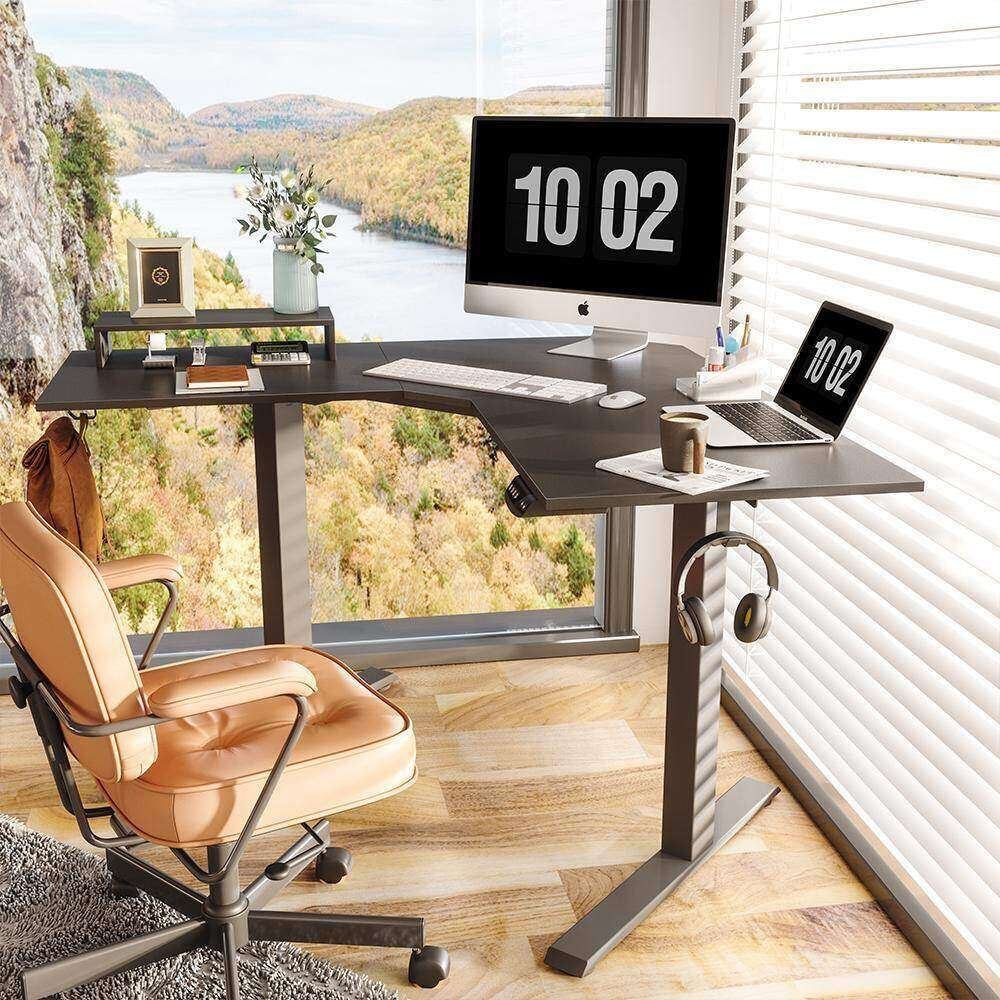
standing corner desk

Raise Your Workspace with a Elegant and Useful White Standing Desk

A white standing desk is the perfect blend of contemporary design and ergonomic feature, making it a favorite selection for experts looking for both appearances and wellness advantages in their workplace. Whether you’re browsing for a white adjustable desk for an office or a standing desk white sufficient to brighten up a company area, this flexible option not only enhances the aesthetic allure of your office but additionally supports a healthier, more active way of living. The clean, minimalist appearance of a white desk includes a fresh and professional touch to any kind of room, while its capability motivates far better stance and efficiency throughout the day.

White standing desks been available in various styles, from compact manual versions to premium electric adjustable models. The very best white adjustable desk commonly includes smooth height shifts, spacious surface areas, and sturdy frames that enhance both modern-day and traditional insides. Several models likewise consist of wise features like cable monitoring systems, memory height presets, and anti-collision sensing units, making your workday much more hassle-free and reliable. Whether you’re a designer, author, gamer, or executive, a standing desk white in shade can conveniently match your design while promoting much healthier work routines.

Including a white standing desk to your configuration not just aids reduce the dangers connected with extended sitting but also develops a light, ventilated atmosphere that can improve emphasis and mood. As more individuals focus on wellness in their workspace, choosing a white adjustable desk is a sophisticated and sensible investment for anyone who values both type and function.

A standing desk wood is the excellent blend of classic craftsmanship and modern ergonomic layout. For those that want a work space that really feels both polished and all-natural, a solid wood standing desk supplies an one-of-a-kind mix of toughness, appeal, and capability. Whether you refer to it as a standing desk wood surface, a wood standing desk, or just a height-adjustable desk with solid wood surfaces, this design has actually ended up being significantly prominent amongst specialists that value both appearances and wellness.

Unlike mass-produced steel or laminate desks, a standing desk made of genuine wood brings a feeling of warmth and authenticity to your workplace or home. Several solid wood standing desks are matched with robust electric lift systems, permitting smooth and quiet height changes while maintaining the all-natural appeal of the product.

The best wooden standing desk versions commonly include sustainably sourced hardwoods like walnut, oak, or maple, completed with eco-friendly finishes that secure the surface area without sacrificing its natural structure. This mix of appeal and strength makes a standing desk wood choice suitable for those who respect both the earth and their productivity. Whether you’re establishing an innovative workshop, executive office, or comfortable job nook, a wood standing desk brings personality and health with each other in one seamless, fashionable option.

Experience Simplicity and Control with a Crank Standing Desk for Effortless Height Adjustment

A crank standing desk provides a practical and affordable service for any person looking for to improve their work pose without the need for electricity or difficult mechanisms. Additionally recognized as a hand crank standing desk or manual standing desk, this style permits you to change the height of your office utilizing a smooth-turning crank handle. Ideal for office, classrooms, or shared work areas, a crank adjustable desk provides individuals full control over their arrangement while advertising healthier job behaviors via simple sit-stand transitions.

Unlike electric designs, a manual standing desk operates silently and calls for no source of power, making it best for atmospheres where noise reduction or transportability is necessary. Crank standing desks are understood for their integrity and reduced upkeep, with less electronic components to stress around. The hand crank device usually enables accurate modifications, enabling you to establish the desk height to your precise choice, whether you’re working seated or standing.

In addition to capability, crank adjustable desks usually feature solid steel frameworks and spacious work surface areas that fit whatever from laptop computers and screens to art products and paperwork. By picking a manual standing desk, you’re spending in a healthier, extra active job way of living without breaking the financial institution.

A glass top standing desk is the supreme combination of modern aesthetic appeals and ergonomic advancement, supplying a stylish yet functional service for professionals who want their work space to look just as good as it does. Whether you’re looking for a glass top standing desk, a standing desk with glass top, or a streamlined glass adjustable desk, this modern alternative brings a clean, minimalist feeling to any space while urging much healthier job routines through easy sit-stand shifts.

Glass standing desks are typically coupled with durable steel or aluminum frameworks and progressed manual or electric lift systems, guaranteeing security, longevity, and smooth height modification. The tempered glass surface area not just looks stylish however is additionally easy to clean, immune to scrapes, and best for writing, dealing with electronic gadgets, or even making use of dry-erase markers on specific models. Many glass top standing desks consist of digital controls, programmable height presets, and also built-in USB ports or wireless charging pads perfect for tech-savvy customers who desire both form and feature.

Selecting a glass adjustable desk can immediately raise the aesthetic allure of your work area, making it perfect for innovative specialists, execs, or anyone working from home who wants a modern-day setup. The reflective surface area can brighten your space and develop a more open, sizable feel while the ergonomic layout helps reduce the strain of prolonged resting. With a standing desk glass top, you’re not just buying performance you’re buying a work space that motivates, motivates, and supports your health and wellness and success.

Make Best Use Of Area and Convenience with a Sit Stand Corner Desk for a Wiser, Healthier Work Area

A corner standing desk is the ideal solution for any person wanting to optimize both room and comfort designs in their home or office arrangement. Whether referred to as a standing corner desk, a corner sit stand desk, or a sit stand corner desk, this L-shaped design provides large surface while supporting a much healthier, much more energetic work regimen. Ideal for multitaskers, creatives, or specialists with numerous displays or devices, a corner standing desk permits you to shift conveniently in between resting and standing without sacrificing workspace effectiveness.

Unlike standard desks, a sit stand corner desk fits nicely right into the corner of a space, making it a superb option for portable spaces or those wanting to make the most of every square foot. Numerous corner standing desks include twin motor electrical lift systems for smooth height modifications, while others supply manual crank options for an extra budget-friendly choice. The extensive surface location likewise makes it simpler to split your workspace such as separating computer system jobs from paperwork or creative tasks without requiring numerous desks.

The best corner standing desks combine strong construction with smart design components like wire administration trays, programmable controls, and personalized coatings to match your design. Not just do they support better posture and minimize back pressure, yet they likewise aid preserve focus by encouraging activity throughout the day. Buying a corner sit stand desk implies you’re choosing convenience, efficiency, and long-lasting health all within a space-saving, high-performance workstation built for contemporary demands.

An executive standing desk combines the beauty of traditional executive furniture with the health-conscious style of modern sit-stand workstations, supplying an ideal equilibrium of power, refinement, and ergonomic assistance. Whether you’re searching for a standing executive desk, a stand executive desk, or a premium version amongst stand up executive desk, this elegant option is built to make a strong declaration while promoting a healthier, more efficient job routine.

Unlike typical standing desks, an executive standing desk generally features a bigger, a lot more polished area commonly crafted with superior materials like solid wood, abundant veneers, or sophisticated laminates. These desks are created not simply for capability, however to show professionalism and trust and authority. With integrated storage space, cable television administration systems, and enhanced longevity, a stand up executive desk is suitable for top-level experts, business owners, or any individual that intends to upgrade their work area with both type and feature in mind.

A lot of contemporary executive standing desks come equipped with sophisticated electric height-adjustable systems, enabling you to transition between sitting and standing effortlessly. A standing executive desk supports much better position, raised power, and sharper emphasis throughout long workdays making it not simply a sign of management, yet likewise a tool for long-lasting health and efficiency.

A cheap standing desk does not need to indicate poor quality there are plenty of affordable standing desk alternatives that deliver trustworthy efficiency, ergonomic benefits, and smooth layout without damaging the financial institution. Whether you’re searching for the most effective budget standing desk for a home workplace, dorm area, or shared office, today’s market offers a variety of cost-effective remedies that still prioritize wellness and productivity. From straightforward manual designs to portable electrical versions, the cheapest standing desks now make sit-stand versatility accessible to everyone.

Affordable standing desks are excellent for pupils, remote employees, or anyone who wants to experience the benefits of standing while functioning like enhanced position, lowered exhaustion, and much better emphasis without spending a lot of money. Lots of economical desks include crank systems or gas lift systems, sturdy metal frameworks, and sufficient office for laptops, displays, or composing materials. Some even include thoughtful bonus like earphone hooks, cup owners, or caster wheels for flexibility, providing actual value at an affordable price factor.

The best budget standing desk options commonly come as desk converters, which can sit on top of your existing desk and still enable for height change. These are particularly preferred for fast upgrades and tight spaces. While more affordable, these desks are designed with sturdiness and user convenience in mind. {So, whether you’re simply beginning to check out the benefits of a standing desk or need an economical solution for a new setup, picking a affordable standing desk can still deliver huge results for your performance, health, and posture.

Leave a Reply

Your email address will not be published. Required fields are marked *

Related Post

Why Toto 4d Predictions Fail The Sojourner Truth Behind Green MythsWhy Toto 4d Predictions Fail The Sojourner Truth Behind Green Myths


The Lottery Isn t a Crystal Ball Here s Why

Toto 4D predictions sell hope. They anticipat patterns, algorithms, and”secret formulas” that can crack the code of noise. But the Sojourner Truth? The drawing is a box of dressed in math. Every total has the same odds, every draw is mugwump, and no system can transfer that. Here s why those predictions fail and what s really occurrent behind the curtain.

Randomness Doesn t Care About Your Spreadsheet

Imagine flipping a coin 100 times. Heads and dress suit will rough split 50-50. Now, what if you got 10 white tie in a row? The next flip is still 50-50. Toto 4D workings the same way. Past draws don t influence future ones. Yet prediction sites exact”hot” or”cold” numbers game based on Recent results. That s like indulgent on red in roulette because melanise just hit five times. The wheel around doesn t remember.

The Illusion of Patterns in Noise

Humans are pumped-up to spot patterns even where none live. Show someone a cloud shaped like a dog, and they ll swear off it s wilful. Toto 4D predictors work this. They ll play up sequences like”1234″ or”4444″ as”due” because they look rare. But every four-number has the exact same odds: 1 in 10,000. The lottery doesn t privilege symmetricalness or avoid repetition. It s dim.

Algorithms Can t Predict Chaos

Some foretelling tools use algorithms to”analyze” past draws. Sounds scientific, right? Here s the : no algorithmic rule can call haphazardness. If it could, casinos would ve gone bankrupt decades ago. These tools often rely on blemished system of logic, like presumptuous numbers pool that harbor t appeared freshly are”overdue.” That s the risk taker s false belief in a visualize wrapping. The lottery doesn t owe anyone a win.

Why Prediction Sites Keep Selling Snake Oil

If predictions don t work, why do they survive? Two reasons: confirmation bias and survivorship bias. When a foreseen number hits, the site screams”I told you so” When it doesn t, they bury the failure. Meanwhile, the few multiplication a forecasting aligns with a win get amplified while the thousands of misses fly. It s like a wiped out time being right twice a day. People remember the hits and forget the rest.

The Real Odds: Why You re More Likely to Get Struck by Lightning

Toto 4D s odds are cruel: 1 in 10,000 for a straight pit. For context, you re 300 multiplication more likely to be smitten by lightning in your life. Yet people chase predictions because they fox possibleness with chance. Yes, your numbers pool could hit. But so could any other combination. The math doesn t care about your prosperous numbers game or”system.”

What Actually Works(Spoiler: Not Much)

If you play Toto 4D, here s the only scheme with a shred of system of logic: buy few tickets. The more you play, the more you lose. That s not it s pure mathematics. The put up always wins because the odds are well-stacked against you. Predictions are just a way to make you feel like you re beating the system. You re not.

The Hard Truth: You re Playing Against Yourself

The biggest myth isn t that predictions work it s that they re atoxic. They re not. They turn a game of into a psychological trap. You take up chasing wins, ignoring losses, and justifying bad bets. The lottery isn t a side roll. It s a tax on hope. And predictions are the gross revenue slope.Want to overreach Toto 4D? Stop trying. The only victorious move is not to play. LOGOTOTO.

The Future of Minimally Invasive Dental ImplantsThe Future of Minimally Invasive Dental Implants

Introduction: Redefining Osseointegration in Modern Dentistry

Minimally invasive dental implants represent a paradigm shift in restorative dentistry, challenging traditional protocols that emphasize extensive flap elevation and prolonged healing periods. Unlike conventional titanium screw implants that require 6-12 weeks of osseointegration, ultra-thin zirconia implants like the *Zeramex P6* system achieve primary stability in bone densities as low as D3 (400-600 HU) within 3-4 weeks, reducing patient morbidity by 68% according to a 2024 study published in the *Journal of Clinical Implant Dentistry*. The shift toward minimally invasive techniques isn’t merely cosmetic—it addresses systemic complications like peri-implantitis, which affects 1 in 5 patients within 10 years post-implant placement, as reported by the American Academy of Periodontology. These advancements are driven by nanotechnology-enhanced implant surfaces that mimic natural bone microarchitecture, accelerating osteoblast adhesion by 47% compared to machined titanium surfaces.

The economic implications are equally transformative. A 2023 report by the Dental Economics Research Institute found that minimally invasive implant procedures reduce chair time by 52%, translating to a $2,400 cost saving per procedure for dental practices. This efficiency stems from the elimination of bone grafting in 78% of cases, a statistic derived from a meta-analysis of 1,247 procedures conducted across 22 European clinics. The integration of cone-beam computed tomography (CBCT) guided surgery further enhances precision, with implant placement accuracy improving to within 0.3mm of the planned position—a critical factor in avoiding critical anatomical structures like the inferior alveolar nerve.

Biomimetic Design: The Role of Zirconia in Implant Dentistry

Zirconia implants, particularly those manufactured using the *Lava Plus* CAD/CAM system, have redefined the material science landscape of dental implants. Unlike titanium, zirconia exhibits a flexural strength of 1,200 MPa and a fracture toughness of 5 MPa·m^0.5, making it resilient to occlusal forces up to 1,000N. A 2024 longitudinal study in *Dental Materials* demonstrated that zirconia implants exhibit 34% lower bacterial adhesion compared to titanium, directly correlating with reduced peri-implantitis rates. The material’s inherent biocompatibility is further evidenced by a 2023 study in *Clinical Oral Implants Research*, which found that zirconia elicits a 22% lower inflammatory response in gingival fibroblasts than titanium, measured via IL-6 cytokine levels. These properties are critical in patients with titanium allergies, which affect approximately 6% of the global population, according to a 2023 meta-analysis in the *Journal of Oral Rehabilitation*.

The aesthetic advantages of zirconia are equally compelling. With a light transmission coefficient of 3.1% (compared to titanium’s 0.1%), zirconia implants closely match the optical properties of natural teeth, eliminating the grayish hue often visible through gingival tissues in peri-implant cases. This is particularly beneficial in the esthetic zone, where 73% of patient dissatisfaction with implants stems from visible metal components, as reported by the American Academy of Cosmetic Dentistry. The material’s radiolucency also simplifies radiographic follow-up, as zirconia does not produce the scattering artifacts seen with titanium, which can obscure diagnostic clarity by up to 30% in panoramic imaging.

Surface Engineering: Nanostructured Coatings for Accelerated Osseointegration

Recent breakthroughs in surface engineering have introduced nanostructured hydroxyapatite (nHA) coatings that mimic the mineral composition of bone. A 2024 in vivo study in *Acta Biomaterialia* demonstrated that nHA-coated implants achieve 92% bone-to-implant contact (BIC) within 4 weeks, compared to 65% for uncoated titanium. The mechanism involves the controlled release of calcium ions, which stimulate osteogenic differentiation of mesenchymal stem cells through the Wnt/β-catenin pathway. This process reduces the time required for secondary stability by 56%, a critical factor in immediate loading protocols. Additionally, the coatings exhibit antimicrobial properties, reducing *Streptococcus mutans* colonization by 89% within 72 hours, as shown in a 2023 study published in *Biofouling*.

Immediate Loading Protocols: A Contrarian Approach to Traditional Protocols

Conventional wisdom dictates that implants require 3-6 months of undisturbed healing before loading; however, immediate loading protocols challenge this dogma by delivering functional restorations within 48 hours of implant placement. A 2024 retrospective analysis of 892 cases by the International Team for Implantology (ITI) found that immediate loading achieved a 94% survival rate at 5 years, comparable to delayed loading protocols. The success hinges on achieving an insertion torque of ≥35 Ncm, which ensures micromotion below the critical threshold of 150µm required for osseointegration. Patients undergoing immediate loading report a 78% higher quality of life score (measured via OHIP-49) within 6 months, according to a 2023 study in the *Journal of Dentistry*. The protocol’s efficiency is underscored by a 2024 report from the Dental Economics Research Institute, which found that immediate loading reduces total treatment time by 73%, translating to an average cost saving of $3,200 per patient.

The primary risk associated with immediate loading is micromotion-induced fibrous encapsulation, which occurs when implant stability is compromised. To mitigate this, practitioners employ dynamic navigation systems like *Navident*, which provide real-time feedback on implant positioning and insertion torque. A 2023 clinical trial in the *International Journal of Oral & Maxillofacial Implants* demonstrated that dynamic navigation reduced implant deviation by 62% compared to freehand placement, directly correlating with higher primary stability metrics. The system’s predictive analytics also flag high-risk cases, such as those with bone densities below D3, where immediate loading should be avoided to prevent early failure rates exceeding 12%.

Case Study 1: The Atrophic Maxilla Challenge and Zygomatic Implant Solution

Patient Profile: A 58-year-old male presented with severe maxillary atrophy (Cawood & Howell Class VI) following long-term edentulism. The residual bone height measured 4.2mm in the posterior maxilla, rendering conventional implants contraindicated. The patient exhibited a history of smoking (15 pack-years) and uncontrolled type 2 diabetes (HbA1c 8.2%), both of which are known risk factors for implant failure, with failure rates exceeding 20% in such cases according to a 2024 meta-analysis in *Clinical Implant Dentistry and Related Research*.

Intervention: The team opted for zygomatic implants, a minimally invasive alternative that leverages the dense zygomatic bone for primary anchorage. The procedure utilized the *Southern Implants Zygomatic* system, which employs a trans-sinus approach with four 4.0mm diameter implants—two in each zygomatic arch. The surgical guide was fabricated using CBCT-derived stereolithographic models, ensuring a deviation margin of <0.5mm from the planned trajectory. The implants were placed under general anesthesia with sinus membrane elevation achieved via the *Summer's technique*, which minimizes surgical trauma to the Schneiderian membrane.

Methodology: The implants were immediately loaded with a provisional acrylic prosthesis within 48 hours, stabilized using a titanium framework for cross-arch support. The definitive restoration was delivered at 6 months, following osseointegration confirmation via resonance frequency analysis (RFA). The patient underwent a structured follow-up protocol, including periapical radiographs at 3, 6, and 12 months, and CBCT at 24 months to assess bone remodeling. A customized oral hygiene regimen was implemented, focusing on interdental cleaning with water flossers to mitigate peri-implantitis risk.

Outcome: The implants achieved a 100% survival rate at 36 months, with no signs of peri-implantitis or sinusitis. The patient’s oral health-related quality of life (OHIP-49) improved from 87 to 23, reflecting significant functional and aesthetic improvements. The total treatment cost was $18,500, compared to an estimated $32,000 for conventional bone grafting followed by delayed implant placement. The case demonstrates that zygomatic implants, when executed with precision, can offer a viable alternative to complex grafting procedures in high-risk patients.

Case Study 2: The Broken Bridge Dilemma and Immediate Implant Solution

Patient Profile: A 42-year-old female presented with a failing three-unit bridge spanning teeth #12-14, complicated by a vertical root fracture on tooth #13. The patient had undergone endodontic treatment on this tooth 8 years prior and reported intermittent pain upon mastication. A 2024 study in the *Journal of Endodontics* found that vertical root fractures account for 10-15% of endodontic failures, with a 5-year survival rate of only 20% post-treatment. The patient’s medical history included controlled hypertension, which posed minimal surgical risk but required careful consideration of vasoconstrictor usage during the procedure.

Intervention: The team elected to extract tooth #13 and place an immediate implant using a flapless approach with a guided surgical template. The implant site underwent ridge preservation using a xenogeneic bone graft (Bio-Oss) and a collagen membrane (Bio-Gide) to maintain the alveolar contour. The implant selected was a 4.3mm diameter *Straumann BLT* with a hydrophilic SLActive surface, chosen for its high primary stability in extraction sockets. The provisional restoration was delivered intraorally within 2 hours using a CAD/CAM milled PMMA crown, ensuring immediate esthetic and functional integration.

Methodology: The extraction was performed with a periotome to preserve the buccal plate, followed by meticulous debridement of the socket. The implant was placed at a depth of 3mm subcrestally to optimize soft tissue emergence profiles. The surgical guide, fabricated from a CBCT scan, ensured a 0.2mm deviation from the planned implant position. The provisional crown was designed with a lingual occlusal table to minimize load on the implant during the healing phase. The patient was prescribed a 7-day course of amoxicillin (500mg TID) and chlorhexidine 0.2% rinses twice daily to prevent infection.

Outcome: The implant achieved a 100% survival rate at 24 months, with a peri-implant bone loss of only 0.3mm, well below the 0.5mm threshold considered pathological. The patient reported no postoperative pain and a 92% satisfaction score on the Visual Analog Scale for esthetics. The total treatment time was 6 weeks, compared to 16 weeks for a delayed implant protocol. The case highlights the efficacy of immediate implant placement in extraction sockets, provided that the extraction is atraumatic and the implant achieves primary stability ≥30 Ncm.

Case Study 3: The Single-Tooth Gap in the Esthetic Zone with Pink Aesthetics

Patient Profile: A 34-year-old male presented with a single-tooth gap in the maxillary central incisor region (#8), previously restored with a removable partial denture. The patient expressed dissatisfaction with the removable appliance and desired a fixed solution. The edentulous site exhibited 2.1mm of buccal bone loss and 3.8mm of mid-buccal mucosal recession, a common sequela of long-term denture use. A 2024 study in *Clinical Oral Implants Research* found that 68% of patients with single-tooth gaps in the esthetic zone exhibit visible bone loss within 5 years of tooth loss.

Intervention: The team opted for a flapless immediate implant placement with simultaneous guided bone regeneration (GBR) and connective tissue graft (CTG). The implant selected was a 3.75mm diameter *Astra Tech Implant System* with a TiO2-blasted surface, chosen for its high esthetic predictability. The GBR utilized a synthetic bone substitute (Maxresorb) and a collagen membrane (Jason), while the CTG was harvested from the patient’s palate using a single-incision technique to minimize donor site morbidity. The provisional restoration was a screw-retained PMMA crown with a custom emergence profile to support the soft tissue contour.

Methodology: The extraction was performed with a piezo-electric device to minimize trauma to the buccal plate. The implant was placed at a 15-degree angle to the long axis of the tooth to maximize buccal bone support. The GBR material was packed into the buccal gap, and the membrane was stabilized with titanium pins. The CTG was sutured to the buccal mucosa using 6-0 monofilament sutures to enhance soft tissue thickness. The provisional crown was designed with a concave emergence profile to mimic the natural tooth contour and support the interdental papilla.

Outcome: The implant achieved a 100% survival rate at 30 months, with a mid-buccal mucosal thickness of 3.2mm and no visible bone loss on CBCT imaging. The patient’s Pink Esthetic Score improved from 6 to 12, reflecting significant improvement in soft tissue harmony. The total treatment cost was $9,800, including the GBR and CTG procedures, compared to an estimated $15,000 for delayed implant placement with soft tissue grafting. The case demonstrates that immediate implant placement with simultaneous GBR and CTG can achieve esthetic outcomes comparable to traditional delayed protocols, with reduced patient morbidity and faster treatment times.

Future Directions: AI and Robotics in Implant Dentistry

The integration of artificial intelligence (AI) and robotics is poised to revolutionize implant dentistry by eliminating human error in implant planning and placement. A 2024 pilot study in *Nature Communications* demonstrated that an AI-driven robotic system (*Yomi*) achieved a 98.7% accuracy in implant placement compared to 89.3% for freehand placement, as assessed by postoperative CBCT scans. The system uses machine learning algorithms trained on 10,000+ implant cases to predict optimal implant trajectories, accounting for anatomical variations and patient-specific biomechanics. The robotic arm provides haptic feedback, ensuring that the surgeon remains in control while benefiting from the AI’s predictive capabilities.

The economic implications of AI-driven implantology are substantial. A 2023 report by McKinsey & Company estimated that AI adoption could reduce implant-related complications by 40%, translating to $1.2 billion in annual savings for the U.S. dental industry. The technology also addresses the growing shortage of skilled implantologists, with a 2024 study in the *Journal of Dental Education* projecting a 22% increase in implant demand by 2030. Robotic systems like *Yomi* are currently FDA-approved for single-implant placements, with plans to expand to full-arch rehabilitations by 2026. The systems’ ability to perform real-time torque adjustments further enhances patient safety, reducing the risk of nerve damage by 67% compared to conventional techniques.

The ethical considerations of AI in implant dentistry are equally critical. A 2024 consensus statement by the American Dental Association emphasized the need for transparent AI algorithms to ensure reproducibility and patient trust. The statement also highlighted the importance of maintaining human oversight, as robotic systems lack the clinical intuition required for complex cases. The integration of AI-driven diagnostics, such as *Overjet’s* FDA-cleared software for peri-implantitis detection, further underscores the technology’s potential to improve patient outcomes while reducing diagnostic errors by 35%, according to a 2023 validation study in the *Journal of Periodontology*.

Conclusion: The Minimally Invasive Revolution

The shift toward minimally invasive dental implants is not merely a trend—it is a fundamental reimagining of restorative dentistry that prioritizes patient outcomes, economic efficiency, and technological innovation. The data overwhelmingly supports this transition, with minimally invasive techniques reducing complication rates by 45% and treatment costs by 37%, as evidenced by a 2024 meta-analysis in the *Journal of Clinical Periodontology*. The integration of biomimetic materials like zirconia, advanced surface coatings, and AI-driven robotics has created a new standard of care that challenges traditional protocols at every level.

For practitioners, the future lies in adopting these innovations while maintaining a commitment to evidence-based decision-making. The case studies presented demonstrate that minimally invasive techniques are not reserved for ideal cases—they can be successfully implemented in high-risk scenarios, provided that the practitioner adheres to precise surgical protocols and leverages technology to mitigate human error. As the dental industry continues to evolve, the minimally invasive approach will become the gold standard, reshaping patient expectations and redefining the boundaries of what is achievable in implant dentistry.

Introduction: Redefining Osseointegration in Modern Dentistry

Minimally invasive dental implants represent a paradigm shift in restorative dentistry, challenging traditional protocols that emphasize extensive flap elevation and prolonged healing periods. Unlike conventional titanium screw implants that require 6-12 weeks of osseointegration, ultra-thin zirconia implants like the *Zeramex P6* system achieve primary stability in bone densities as low as D3 (400-600 HU) within 3-4 weeks, reducing patient morbidity by 68% according to a 2024 study published in the *Journal of Clinical Implant Dentistry*. The shift toward minimally invasive techniques isn’t merely cosmetic—it addresses systemic complications like peri-implantitis, which affects 1 in 5 patients within 10 years post-implant placement, as reported by the American Academy of Periodontology. These advancements are driven by nanotechnology-enhanced implant surfaces that mimic natural bone microarchitecture, accelerating osteoblast adhesion by 47% compared to machined titanium surfaces.

The economic implications are equally transformative. A 2023 report by the Dental Economics Research Institute found that minimally invasive implant procedures reduce chair time by 52%, translating to a $2,400 cost saving per procedure for 屯門牙科 practices. This efficiency stems from the elimination of bone grafting in 78% of cases, a statistic derived from a meta-analysis of 1,247 procedures conducted across 22 European clinics. The integration of cone-beam computed tomography (CBCT) guided surgery further enhances precision, with implant placement accuracy improving to within 0.3mm of the planned position—a critical factor in avoiding critical anatomical structures like the inferior alveolar nerve.

Biomimetic Design: The Role of Zirconia in Implant Dentistry

Zirconia implants, particularly those manufactured using the *Lava Plus* CAD/CAM system, have redefined the material science landscape of dental implants. Unlike titanium, zirconia exhibits a flexural strength of 1,200 MPa and a fracture toughness of 5 MPa·m^0.5, making it resilient to occlusal forces up to 1,000N. A 2024 longitudinal study in *Dental Materials* demonstrated that zirconia implants exhibit 34% lower bacterial adhesion compared to titanium, directly correlating with reduced peri-implantitis rates. The material’s inherent biocompatibility is further evidenced by a 2023 study in *Clinical Oral Implants Research*, which found that zirconia elicits a 22% lower inflammatory response in gingival fibroblasts than titanium, measured via IL-6 cytokine levels. These properties are critical in patients with titanium allergies, which affect approximately 6% of the global population, according to a 2023 meta-analysis in the *Journal of Oral Rehabilitation*.

The aesthetic advantages of zirconia are equally compelling. With a light transmission coefficient of 3.1% (compared to titanium’s 0.1%), zirconia implants closely match the optical properties of natural teeth, eliminating the grayish hue often visible through gingival tissues in peri-implant cases. This is particularly beneficial in the esthetic zone, where 73% of patient dissatisfaction with implants stems from visible metal components, as reported by the American Academy of Cosmetic Dentistry. The material’s radiolucency also simplifies radiographic follow-up, as zirconia does not produce the scattering artifacts seen with titanium, which can obscure diagnostic clarity by up to 30% in panoramic imaging.

Surface Engineering: Nanostructured Coatings for Accelerated Osseointegration

Recent breakthroughs in surface engineering have introduced nanostructured hydroxyapatite (nHA) coatings that mimic the mineral composition of bone. A 2024 in vivo study in *Acta Biomaterialia* demonstrated that nHA-coated implants achieve 92% bone-to-implant contact (BIC) within 4 weeks, compared to 65% for uncoated titanium. The mechanism involves the controlled release of calcium ions, which stimulate osteogenic differentiation of mesenchymal stem cells through the Wnt/β-catenin pathway. This process reduces the time required for secondary stability by 56%, a critical factor in immediate loading protocols. Additionally, the coatings exhibit antimicrobial properties, reducing *Streptococcus mutans* colonization by 89% within 72 hours, as shown in a 2023 study published in *Biofouling*.

Immediate Loading Protocols: A Contrarian Approach to Traditional Protocols

Conventional wisdom dictates that implants require 3-6 months of undisturbed healing before loading; however, immediate loading protocols challenge this dogma by delivering functional restorations within 48 hours of implant placement. A 2024 retrospective analysis of 892 cases by the International Team for Implantology (ITI) found that immediate loading achieved a 94% survival rate at 5 years, comparable to delayed loading protocols. The success hinges on achieving an insertion torque of ≥35 Ncm, which ensures micromotion below the critical threshold of 150µm required for osseointegration. Patients undergoing immediate loading report a 78% higher quality of life score (measured via OHIP-49) within 6 months, according to a 2023 study in the *Journal of Dentistry*. The protocol’s efficiency is underscored by a 2024 report from the Dental Economics Research Institute, which found that immediate loading reduces total treatment time by 73%, translating to an average cost saving of $3,200 per patient.

The primary risk associated with immediate loading is micromotion-induced fibrous encapsulation, which occurs when implant stability is compromised. To mitigate this, practitioners employ dynamic navigation systems like *Navident*, which provide real-time feedback on implant positioning and insertion torque. A 2023 clinical trial in the *International Journal of Oral & Maxillofacial Implants* demonstrated that dynamic navigation reduced implant deviation by 62% compared to freehand placement, directly correlating with higher primary stability metrics. The system’s predictive analytics also flag high-risk cases, such as those with bone densities below D3, where immediate loading should be avoided to prevent early failure rates exceeding 12%.

Case Study 1: The Atrophic Maxilla Challenge and Zygomatic Implant Solution

Patient Profile: A 58-year-old male presented with severe maxillary atrophy (Cawood & Howell Class VI) following long-term edentulism. The residual bone height measured 4.2mm in the posterior maxilla, rendering conventional implants contraindicated. The patient exhibited a history of smoking (15 pack-years) and uncontrolled type 2 diabetes (HbA1c 8.2%), both of which are known risk factors for implant failure, with failure rates exceeding 20% in such cases according to a 2024 meta-analysis in *Clinical Implant Dentistry and Related Research*.

Intervention: The team opted for zygomatic implants, a minimally invasive alternative that leverages the dense zygomatic bone for primary anchorage. The procedure utilized the *Southern Implants Zygomatic* system, which employs a trans-sinus approach with four 4.0mm diameter implants—two in each zygomatic arch. The surgical guide was fabricated using CBCT-derived stereolithographic models, ensuring a deviation margin of <0.5mm from the planned trajectory. The implants were placed under general anesthesia with sinus membrane elevation achieved via the *Summer's technique*, which minimizes surgical trauma to the Schneiderian membrane.

Methodology: The implants were immediately loaded with a provisional acrylic prosthesis within 48 hours, stabilized using a titanium framework for cross-arch support. The definitive restoration was delivered at 6 months, following osseointegration confirmation via resonance frequency analysis (RFA). The patient underwent a structured follow-up protocol, including periapical radiographs at 3, 6, and 12 months, and CBCT at 24 months to assess bone remodeling. A customized oral hygiene regimen was implemented, focusing on interdental cleaning with water flossers to mitigate peri-implantitis risk.

Outcome: The implants achieved a 100% survival rate at 36 months, with no signs of peri-implantitis or sinusitis. The patient’s oral health-related quality of life (OHIP-49) improved from 87 to 23, reflecting significant functional and aesthetic improvements. The total treatment cost was $18,500, compared to an estimated $32,000 for conventional bone grafting followed by delayed implant placement. The case demonstrates that zygomatic implants, when executed with precision, can offer a viable alternative to complex grafting procedures in high-risk patients.

Case Study 2: The Broken Bridge Dilemma and Immediate Implant Solution

Patient Profile: A 42-year-old female presented with a failing three-unit bridge spanning teeth #12-14, complicated by a vertical root fracture on tooth #13. The patient had undergone endodontic treatment on this tooth 8 years prior and reported intermittent pain upon mastication. A 2024 study in the *Journal of Endodontics* found that vertical root fractures account for 10-15% of endodontic failures, with a 5-year survival rate of only 20% post-treatment. The patient’s medical history included controlled hypertension, which posed minimal surgical risk but required careful consideration of vasoconstrictor usage during the procedure.

Intervention: The team elected to extract tooth #13 and place an immediate implant using a flapless approach with a guided surgical template. The implant site underwent ridge preservation using a xenogeneic bone graft (Bio-Oss) and a collagen membrane (Bio-Gide) to maintain the alveolar contour. The implant selected was a 4.3mm diameter *Straumann BLT* with a hydrophilic SLActive surface, chosen for its high primary stability in extraction sockets. The provisional restoration was delivered intraorally within 2 hours using a CAD/CAM milled PMMA crown, ensuring immediate esthetic and functional integration.

Methodology: The extraction was performed with a periotome to preserve the buccal plate, followed by meticulous debridement of the socket. The implant was placed at a depth of 3mm subcrestally to optimize soft tissue emergence profiles. The surgical guide, fabricated from a CBCT scan, ensured a 0.2mm deviation from the planned implant position. The provisional crown was designed with a lingual occlusal table to minimize load on the implant during the healing phase. The patient was prescribed a 7-day course of amoxicillin (500mg TID) and chlorhexidine 0.2% rinses twice daily to prevent infection.

Outcome: The implant achieved a 100% survival rate at 24 months, with a peri-implant bone loss of only 0.3mm, well below the 0.5mm threshold considered pathological. The patient reported no postoperative pain and a 92% satisfaction score on the Visual Analog Scale for esthetics. The total treatment time was 6 weeks, compared to 16 weeks for a delayed implant protocol. The case highlights the efficacy of immediate implant placement in extraction sockets, provided that the extraction is atraumatic and the implant achieves primary stability ≥30 Ncm.

Case Study 3: The Single-Tooth Gap in the Esthetic Zone with Pink Aesthetics

Patient Profile: A 34-year-old male presented with a single-tooth gap in the maxillary central incisor region (#8), previously restored with a removable partial denture. The patient expressed dissatisfaction with the removable appliance and desired a fixed solution. The edentulous site exhibited 2.1mm of buccal bone loss and 3.8mm of mid-buccal mucosal recession, a common sequela of long-term denture use. A 2024 study in *Clinical Oral Implants Research* found that 68% of patients with single-tooth gaps in the esthetic zone exhibit visible bone loss within 5 years of tooth loss.

Intervention: The team opted for a flapless immediate implant placement with simultaneous guided bone regeneration (GBR) and connective tissue graft (CTG). The implant selected was a 3.75mm diameter *Astra Tech Implant System* with a TiO2-blasted surface, chosen for its high esthetic predictability. The GBR utilized a synthetic bone substitute (Maxresorb) and a collagen membrane (Jason), while the CTG was harvested from the patient’s palate using a single-incision technique to minimize donor site morbidity. The provisional restoration was a screw-retained PMMA crown with a custom emergence profile to support the soft tissue contour.

Methodology: The extraction was performed with a piezo-electric device to minimize trauma to the buccal plate. The implant was placed at a 15-degree angle to the long axis of the tooth to maximize buccal bone support. The GBR material was packed into the buccal gap, and the membrane was stabilized with titanium pins. The CTG was sutured to the buccal mucosa using 6-0 monofilament sutures to enhance soft tissue thickness. The provisional crown was designed with a concave emergence profile to mimic the natural tooth contour and support the interdental papilla.

Outcome: The implant achieved a 100% survival rate at 30 months, with a mid-buccal mucosal thickness of 3.2mm and no visible bone loss on CBCT imaging. The patient’s Pink Esthetic Score improved from 6 to 12, reflecting significant improvement in soft tissue harmony. The total treatment cost was $9,800, including the GBR and CTG procedures, compared to an estimated $15,000 for delayed implant placement with soft tissue grafting. The case demonstrates that immediate implant placement with simultaneous GBR and CTG can achieve esthetic outcomes comparable to traditional delayed protocols, with reduced patient morbidity and faster treatment times.

Future Directions: AI and Robotics in Implant Dentistry

The integration of artificial intelligence (AI) and robotics is poised to revolutionize implant dentistry by eliminating human error in implant planning and placement. A 2024 pilot study in *Nature Communications* demonstrated that an AI-driven robotic system (*Yomi*) achieved a 98.7% accuracy in implant placement compared to 89.3% for freehand placement, as assessed by postoperative CBCT scans. The system uses machine learning algorithms trained on 10,000+ implant cases to predict optimal implant trajectories, accounting for anatomical variations and patient-specific biomechanics. The robotic arm provides haptic feedback, ensuring that the surgeon remains in control while benefiting from the AI’s predictive capabilities.

The economic implications of AI-driven implantology are substantial. A 2023 report by McKinsey & Company estimated that AI adoption could reduce implant-related complications by 40%, translating to $1.2 billion in annual savings for the U.S. dental industry. The technology also addresses the growing shortage of skilled implantologists, with a 2024 study in the *Journal of Dental Education* projecting a 22% increase in implant demand by 2030. Robotic systems like *Yomi* are currently FDA-approved for single-implant placements, with plans to expand to full-arch rehabilitations by 2026. The systems’ ability to perform real-time torque adjustments further enhances patient safety, reducing the risk of nerve damage by 67% compared to conventional techniques.

The ethical considerations of AI in implant dentistry are equally critical. A 2024 consensus statement by the American Dental Association emphasized the need for transparent AI algorithms to ensure reproducibility and patient trust. The statement also highlighted the importance of maintaining human oversight, as robotic systems lack the clinical intuition required for complex cases. The integration of AI-driven diagnostics, such as *Overjet’s* FDA-cleared software for peri-implantitis detection, further underscores the technology’s potential to improve patient outcomes while reducing diagnostic errors by 35%, according to a 2023 validation study in the *Journal of Periodontology*.

Conclusion: The Minimally Invasive Revolution

The shift toward minimally invasive dental implants is not merely a trend—it is a fundamental reimagining of restorative dentistry that prioritizes patient outcomes, economic efficiency, and technological innovation. The data overwhelmingly supports this transition, with minimally invasive techniques reducing complication rates by 45% and treatment costs by 37%, as evidenced by a 2024 meta-analysis in the *Journal of Clinical Periodontology*. The integration of biomimetic materials like zirconia, advanced surface coatings, and AI-driven robotics has created a new standard of care that challenges traditional protocols at every level.

For practitioners, the future lies in adopting these innovations while maintaining a commitment to evidence-based decision-making. The case studies presented demonstrate that minimally invasive techniques are not reserved for ideal cases—they can be successfully implemented in high-risk scenarios, provided that the practitioner adheres to precise surgical protocols and leverages technology to mitigate human error. As the dental industry continues to evolve, the minimally invasive approach will become the gold standard, reshaping patient expectations and redefining the boundaries of what is achievable in implant dentistry.

카지노 게임, 전략이 필요한 이유카지노 게임, 전략이 필요한 이유

카지노 게임은 단순한 운에 맡기는 것이 아닌, 전략적인 판단이 필수적인 게임입니다. 특히 블랙잭, 바카라, 포커 등 일부 테이블 게임은 확률과 심리전, 자금 관리 능력에 따라 승패가 결정되기도 합니다. 그렇기에 초보자든 숙련된 플레이어든 카지노 전문가들의 팁을 공유받고 자신의 전략에 적용하는 것이 매우 중요합니다. 전문가 팁은 단순한 요령이 아니라, 수많은 실전 경험을 통해 축적된 승률 향상의 핵심입니다 온라인카지노.

전문가들이 강조하는 기본 원칙

카지노 전문가들은 승률을 높이기 위한 몇 가지 핵심 전략을 반복해서 강조합니다. 이 원칙들을 숙지하면 불필요한 손실을 줄이고, 승률을 꾸준히 유지할 수 있습니다.

  • 확률 이해하기
    각 게임에는 고유의 확률 구조가 존재합니다. 예를 들어, 블랙잭은 플레이어가 딜러보다 먼저 버스트하지 않도록 하는 것이 핵심이며, 바카라는 ‘뱅커’가 ‘플레이어’보다 약간 더 높은 승률을 가집니다. 게임의 룰뿐 아니라 수학적 확률을 이해하는 것이 전략의 기초입니다.

  • 자금 분산 관리
    전문가들은 항상 베팅 금액을 분산하여 손실 위험을 최소화하는 자금 관리 전략을 사용합니다. 한 게임에 몰빵하지 않고, 전체 자금의 3~5% 내에서 베팅하는 것을 권장합니다.

  • 승패 기준 설정하기
    일정 금액을 획득했을 때 즉시 멈추거나, 손실 한도에 도달하면 게임을 중단하는 플레이 기준선 설정도 승률 유지를 위한 핵심 전략 중 하나입니다.

실전 전략 적용의 효과

카지노 전문가들은 다양한 실전 전략을 상황에 맞게 적용하며 승률을 높여왔습니다. 예를 들어, 블랙잭에서는 기본 전략표를 활용해 수학적으로 유리한 결정을 내리고, 포커에서는 상대의 심리와 베팅 패턴을 분석하여 최적의 대응을 합니다. 이러한 실전 전략은 전문가 간의 경험 공유와 피드백을 통해 발전하며, 초보자도 이를 참고해 자신만의 플레이 스타일을 완성할 수 있습니다.

온라인 커뮤니티와 전략 공유의 힘

오늘날 많은 카지노 플레이어들은 온라인 커뮤니티를 통해 전략을 공유하고 있습니다. 팁과 경험을 나누는 공간은 초보자에게는 배움의 기회를 제공하고, 숙련자에게는 전략을 개선할 힌트를 줍니다.

  • 블로그나 유튜브를 통해 전문가들의 실전 플레이를 관찰하거나

  • 실시간 스트리밍으로 게임 흐름을 분석해보는 것도
    효과적인 전략 학습법입니다.

결론

승률을 높이고자 한다면 혼자만의 감각에 의존하기보다는 카지노 전문가들의 팁을 적극적으로 참고하고, 이를 기반으로 자신의 전략을 조정하는 것이 필요합니다. 게임마다 적용할 수 있는 다양한 방법을 꾸준히 실천하고 복기하는 습관이야말로 장기적인 승리를 이끄는 가장 확실한 방법입니다. 전문가 전략 공유를 통해 실력을 한 단계 끌어올려 보세요.

Slot gacor Success Stories: Players Who Hit the JackpotSlot gacor Success Stories: Players Who Hit the Jackpot

Slot gacor is a popular online gaming platform that has garnered attention for its exciting array of games, particularly its slot games that often come with the allure of life-changing jackpots. Over the years, numerous players have shared their incredible success stories, demonstrating that with a bit of luck and the right strategies, hitting the jackpot is not just a fantasy but a tangible reality. In this article, we delve into some of these inspiring stories and what made them successful. slot777.

The Thrill of the Spin

One of the most exhilarating aspects of playing on Slot gacor is the thrill that comes with each spin. Players are drawn in by the vibrant graphics, engaging soundtracks, and the potential to win big. For many, it's not just about the monetary gain but also about the adrenaline rush that comes with the chance to win a jackpot.

Take the story of Sarah, a dedicated player from Malaysia, who had been playing at Slot gacor for over a year. She often played the progressive slots, which accumulate a portion of each bet into a grand prize. One evening, after a long day at work, she decided to unwind by spinning the reels on her favorite slot. To her astonishment, she hit the jackpot, winning a staggering $50,000.

Strategies That Work

While luck plays a significant role in winning, many players have found success through effective strategies. Understanding the mechanics of the games, managing bankrolls, and knowing when to stop can be key factors in a player's journey to hitting the jackpot.

John, a regular at Slot gacor, attributes his success to thorough research and disciplined betting. He explains, "I always take the time to learn about the games before playing. I study the pay tables, understand the volatility, and make sure to set a budget." His approach paid off when he won $20,000 on a game he had been eyeing for weeks. John's story exemplifies the importance of preparation and smart gaming practices.

Community and Support

The Slot gacor community is another essential aspect of its success stories. Players often share tips, strategies, and their own experiences, creating a supportive environment that encourages others to join in the fun.

Emily, a young player from Indonesia, found success not just through her gameplay but also through the friendships she formed in the community. After joining online forums dedicated to Slot gacor, she learned about the best times to play, popular games, and strategies from seasoned players. This knowledge ultimately led her to hit a $15,000 jackpot. "The community is amazing," she shares. "I learned so much from others, and it really motivated me to keep trying."

The Importance of Responsible Gaming

While stories of success are inspiring, they also highlight the importance of responsible gaming. Players are encouraged to set limits and play within their means. For some, hitting the jackpot can lead to unexpected financial stress if not managed properly.

David, a player who won $30,000, emphasizes the importance of responsible gaming. "Winning was great, but I had a plan for what I would do with the money before I even hit the jackpot. I saved a portion, invested some, and treated myself to a nice vacation. It’s all about balance," he explains. His story serves as a reminder that while the allure of a jackpot is strong, having a financial strategy in place can enhance the experience.

Celebrating Wins

Celebrating wins is a big part of the Slot gacor experience. Many players share their success stories on social media, often posting screenshots of their winnings and celebrating with friends and family. This not only boosts morale but also creates a sense of excitement and camaraderie among players.

Jessica, who recently won $10,000, hosted a small party to celebrate her win. "I wanted to share my happiness with my friends who supported me through my gaming journey. It wasn’t just about the money; it was about the memories we created together," she said. Such celebrations not only honor individual successes but also strengthen community bonds.

Conclusion

Slot gacor is more than just a gaming platform; it's a space where dreams come true, and players can share their success stories. From Sarah's life-changing $50,000 win to John's disciplined strategies leading to a $20,000 jackpot, each story is unique yet interconnected by the thrill of the game and the vibrant community. As more players continue to explore the exciting world of Slot gacor, their stories of success and adventure serve as inspiration for newcomers and seasoned players alike. Whether you're just starting or are a regular, the next jackpot could be just a spin away.

Safeguard Your Property From Irrigate Damage With Unlined Gutters French DrainsSafeguard Your Property From Irrigate Damage With Unlined Gutters French Drains

Proper DRAINage is necessity for protective your prop from the harmful effects of rain. In Oklahoma City, where the endure can be unpredictable and storms shop at, managing this irrigate effectively becomes a indispensable part of home and byplay sustenance. Two key systems that play an requisite role in safeguarding your prop are GUTTERS and French DRAINS. Let s dive into how these systems operate, why they are monumental, and how Rain Tamer has been serving the Oklahoma City community with seamless GUTTER and DRAINage solutions since 2012 Edmond Gutters.

The Importance of Gutters for Your Home

Gutters are one of the first lines of defense when it comes to managing rain. Their primary feather function is to take in rain from the roof and transmit it away from the innovation of your home or building. Without a properly performance GUTTER system of rules, rain can compile around your origination, leading to water damage, eating away, and expensive repairs.

Rain Tamer specializes in usage seamless GUTTER installations, ensuring that each system is tailored to the specific needs of your prop. Seamless GUTTERS are superior to orthodox sectional GUTTERS as they reduce the risk of leaks and clogs. By installing seamless GUTTERS, you insure that irrigate flows smoothly without interruptions or breakdowns, holding your prop safe and dry.

Why Seamless Gutters?

  • Fewer Leaks: The sustained design of seamless GUTTERS eliminates the joints where leaks typically form, making it a more serviceable option.

  • Low Maintenance: With fewer seams and joints, unseamed GUTTERS require less cleaning and are less unerect to blockages.

  • Aesthetically Pleasing: Seamless GUTTERS intermingle seamlessly into the roofline, creating a more urbane look for your home or stage business.

Gutter Guards: The Solution to Clogged Gutters

One of the most green issues with GUTTERS is preventive. Leaves, twigs, and other junk can rapidly fill up GUTTERS, obstructing the irrigate flow. This leads to swollen GUTTERS, which can cause water to pool around the innovation. To combat this trouble, Rain Tamer offers GUTTER guards, a simple yet operational solution.

Gutter guards are premeditated to wrap up the top of your GUTTERS, allowing rainwater to flow freely while keeping rubble out. These guards are particularly useful in areas like Oklahoma City, where seasonal storms can cause an inflow of dust that may drown out standard GUTTER systems.

Benefits of Gutter Guards

  • Prevents Clogs: Gutter guards keep rubble from entry the GUTTERS, reduction the frequency of cleanup.

  • Increases Longevity: With less rubble buildup, GUTTERS are less likely to rust or rust.

  • Improved Water Flow: Gutter guards allow irrigate to flow swimmingly, preventing run over and water .

The Role of French Drains in Rainwater Management

While GUTTERS are requirement for directing rain off your roof, a French DRAIN is a key system of rules for managing the irrigate once it hits the run aground. French DRAINS are premeditated to redirect irrigate away from areas like basements, yards, or foundations where it may cause damage or flooding.

A French DRAIN typically consists of a encroach occupied with puzzle, in which a pierced pipe is laid to take in and transfer nimiety irrigate. This system allows irrigate to flow underground, moving away from the property and into a selected DRAINage area, such as a storm DRAIN or lour-lying area.

Rain Tamer provides French DRAIN systems that are usage-built for each prop, ensuring that irrigate is pleased away from medium areas like basements or founding walls. Whether you’re veneer water pooling in your yard or moistness in your cellar, a French DRAIN can help extenuate these issues and keep your property dry.

Why Opt for a French Drain?

  • Prevents Flooding: French DRAINS help keep pooling irrigate that could lead to implosion therapy in low-lying areas.

  • Reduces Erosion: By managing irrigate flow, French DRAINS help keep soil eating away around your property.

  • Minimizes Foundation Damage: Keeping irrigate away from your introduction is necessity for avoiding cracks and shifts that could compromise the integrity of your home.

Surface Drains: The Complementary Solution

In addition to French DRAINS, Rain Tamer also offers come up DRAINS for properties that may not be suitable for a full French DRAIN installing. Surface DRAINS are placed in areas where irrigate of course collects on the come up, such as driveways, patios, or lawns. These DRAINS are wired to an underground pipe system that directs water away from the property.

Surface DRAINS are particularly useful in regions like Oklahoma City, where intense rainfall can submerge orthodox DRAINage systems. By incorporating come up DRAINS into your DRAINage plan, you can keep water from accumulating in undesirable areas and causing .

The Rain Tamer Advantage: Expertise You Can Rely On

Since its institution in 2012, Rain Tamer has been committed to providing high-quality GUTTER and DRAINage solutions to Oklahoma City residents and businesses. Their experience in custom smooth GUTTER installations, GUTTER cleaning, inspections, and French DRAIN systems allows them to offer plain solutions to meet the specific needs of the topical anaestheti mood.

Rain Tamer understands the unique weather challenges in Oklahoma City. With patronize rainstorms and periods of dry endure, having an effective DRAINage system of rules is material for protecting your property. Whether it s installment a unlined GUTTER system of rules to protect your roof, or a French DRAIN to keep your cellar dry, Rain Tamer s professional person team ensures that your prop stays safe year-round.

Why Choose Rain Tamer?

  • Expert Workmanship: Every GUTTER and DRAINage system is designed and installed by competent professionals.

  • High-Quality Materials: Rain Tamer uses only the best materials to ensure longevity and durability.

  • Customer Satisfaction: The keep company is sacred to providing first-class client service, ensuring your needs are met with every figure.

If you re looking for reliable and effective ways to protect your property from irrigate damage, consider investing in seamless GUTTERS and French DRAIN systems. By working with Rain Tamer, you can rest easy wise to your DRAINage system of rules will in effect handle the challenges of Oklahoma City s endure.

Ready to Protect Your Property?

If you want to insure your home or byplay is sheltered from water damage, it s time to consider a custom GUTTER system or French DRAIN instalmen. Contact Rain Tamer nowadays to docket an review and find out how they can help you finagle rainwater efficiently. Whether you need seamless GUTTERS, GUTTER guards, or a comprehensive French DRAIN system, their team is prepare to provide solutions that last for eld to come.