
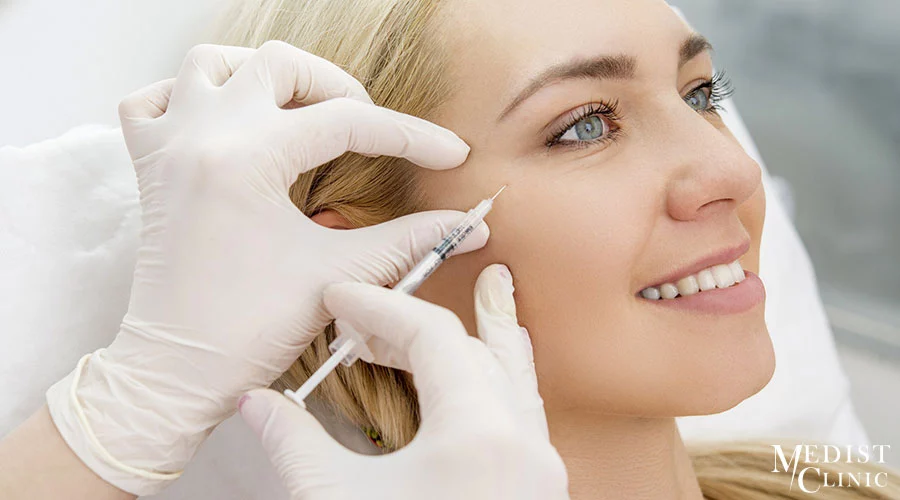
Revolutionizing Beauty: How Medical Beauty is Changing the Aesthetic Landscape

In the modern age, beauty has evolved beyond the traditional world of makeup and skincare products. Today, an increasing number of individuals are turning to medical beauty—a dynamic fusion of science and aesthetics that offers effective, non-surgical solutions for enhancing one's appearance. Combining clinical expertise with advanced technology, medical beauty provides a wide range of non-invasive treatments designed to address skin imperfections, reduce the visible signs of aging, and rejuvenate the body.

This growing sector of the beauty industry is making it easier for people to achieve their desired appearance without the need for traditional, invasive surgery. From Botox to body contouring treatments, medical beauty is proving that looking and feeling your best doesn’t always require going under the knife. In this article, we’ll take a closer look at the world of medical beauty, its increasing popularity, and the most sought-after treatments in this rapidly growing field.

What is Medical Beauty?

At its core, medical beauty refers to a variety of cosmetic treatments that combine medical knowledge with aesthetic enhancement. These treatments typically focus on non-surgical and minimally invasive procedures that provide lasting, noticeable results. Unlike traditional beauty treatments that focus on topical products, medical beauty procedures delve deeper into the layers of the skin, muscles, or fat to provide more substantial and longer-lasting improvements.

The growing appeal of medical beauty lies in the fact that it combines the science of medicine with the art of beauty, all while minimizing the risks and recovery time associated with traditional surgeries. These treatments are often performed by qualified medical professionals, such as dermatologists, cosmetic surgeons, or licensed aestheticians, ensuring that each procedure is safe and effective.

Why Medical Beauty is Gaining Popularity

The popularity of medical beauty can be attributed to several key factors, each contributing to a surge in demand:

1. Quick Results with Minimal Downtime

One of the most attractive aspects of medical beauty is its ability to provide immediate and visible results. Many procedures, such as Botox injections or dermal fillers, deliver noticeable changes almost instantly, with minimal downtime. This is especially appealing for individuals with busy lives who cannot afford the extended recovery periods associated with traditional cosmetic surgeries.

The rapid recovery and effectiveness of these treatments allow people to address their beauty concerns without significant interruption to their daily routines.

2. Subtle, Natural Enhancements

Unlike the drastic transformations often seen with cosmetic surgery, medical beauty focuses on achieving subtle, natural-looking enhancements. Treatments like Botox and dermal fillers are designed to enhance a person’s natural beauty, providing a youthful, refreshed look without altering one’s unique features. This approach is particularly appealing to individuals who want to look younger but don’t want to appear “overdone.”

The goal is often to maintain a natural balance, enhancing features like the jawline, cheeks, or lips while still preserving an individual’s overall appearance.

3. Affordability and Accessibility

Medical beauty treatments offer a more affordable and accessible option for individuals who may not be able to invest in more invasive cosmetic surgery. While the cost of each procedure can vary, non-surgical treatments are typically less expensive than full surgeries. Additionally, with more clinics and medical spas offering these services, medical beauty is becoming available to a broader range of people.

For those seeking non-invasive solutions without the high price tag of surgery, 溶脂針 offers a cost-effective alternative.

4. Advancements in Technology

As medical technology continues to evolve, new, innovative treatments are continuously emerging in the field of medical beauty. From lasers to injectables, modern treatments utilize cutting-edge equipment to achieve superior results. With these technological advancements, procedures have become more precise, safe, and effective.

Many of these treatments are backed by rigorous scientific research, ensuring that patients receive the best possible outcomes with minimal risk.

Popular Medical Beauty Treatments

Medical beauty encompasses a wide array of procedures, each designed to target specific aesthetic concerns. Below are some of the most popular and sought-after treatments in the industry today:

1. Botox and Other Neuromodulators

Botox is perhaps the most well-known treatment in the world of medical beauty. It works by temporarily relaxing the muscles responsible for creating wrinkles, particularly around the eyes, forehead, and mouth. Botox is commonly used to treat crow’s feet, frown lines, and forehead wrinkles, offering patients a smoother, younger-looking complexion.

Other neuromodulators such as Dysport, Xeomin, and Jeuveau are similar to Botox and work in much the same way, but they may vary in their formulation and longevity. These treatments offer a safe, non-invasive solution for reducing the appearance of fine lines and wrinkles.

2. Dermal Fillers

Dermal fillers are injectable substances used to restore volume and smoothness to areas of the face that have experienced volume loss due to aging. They are most commonly used in the cheeks, lips, under-eye area, and jawline. Fillers can help smooth deep wrinkles, plump thin lips, and add definition to the face.

The most common dermal fillers include hyaluronic acid-based options like Juvederm and Restylane, which are favored for their ability to add natural-looking volume and moisture. The results from dermal fillers are typically visible immediately and can last from six months to two years, depending on the type of filler used.

3. Laser Skin Resurfacing

Laser skin resurfacing is an advanced treatment that uses focused laser beams to improve skin texture, tone, and appearance. It targets issues such as sun damage, fine lines, wrinkles, and scarring. Laser resurfacing works by removing the outer layers of the skin and stimulating collagen production, which results in smoother, firmer skin.

Popular types of laser treatments include CO2 lasers and fractional lasers, which can penetrate the skin at different depths depending on the severity of the skin concern. Patients can expect smoother, healthier skin after a few sessions, with results lasting up to a year or more.

4. Chemical Peels

Chemical peels use a chemical solution to exfoliate the skin, helping to remove dead skin cells and promote new skin growth. This treatment is commonly used to treat acne scars, sun damage, uneven pigmentation, and fine lines. Depending on the strength of the chemical solution, chemical peels can be superficial, medium-depth, or deep.

Superficial peels are ideal for mild skin concerns, while deep peels can be used to address more severe issues like scarring or wrinkles. The healing process for deeper peels may take a bit longer, but the results are often more dramatic.

5. CoolSculpting (Fat Freezing)

CoolSculpting is a non-invasive fat reduction treatment that targets stubborn fat cells by freezing them. The process, known as cryolipolysis, freezes fat cells in areas like the abdomen, flanks, or thighs. These frozen fat cells are then naturally eliminated by the body over a few months.

CoolSculpting is ideal for individuals who have localized fat pockets that don’t respond well to diet or exercise. The treatment is non-invasive, requires no recovery time, and results in a noticeable reduction in fat after several sessions.

6. Microneedling

Microneedling, also called collagen induction therapy, involves using tiny needles to create micro-injuries in the skin. This process stimulates the skin’s natural healing response, promoting collagen and elastin production. As a result, microneedling helps to improve the appearance of fine lines, wrinkles, scarring, and uneven skin texture.

For enhanced results, microneedling is often combined with Platelet-Rich Plasma (PRP), which involves using the patient’s own blood to promote healing and rejuvenation. The combination of microneedling and PRP is often referred to as the Vampire Facial.

The Benefits of Medical Beauty

Medical beauty offers several distinct advantages that make it a popular choice for many:

1. Minimal Risk and Recovery Time

One of the most significant benefits of medical beauty is its minimized risk and quick recovery time. Non-invasive procedures like Botox and dermal fillers are generally safe, with little to no downtime required. Most individuals can resume their normal activities immediately after treatment.

2. Long-Lasting Results

Many medical beauty treatments, such as dermal fillers and laser resurfacing, provide results that last for several months or even years, making them an effective long-term solution for those seeking to maintain their youthful appearance.

3. Personalized Approach

Medical beauty treatments are highly customizable to meet the unique needs of each patient. Practitioners assess the individual’s skin type, concerns, and goals to create a tailored treatment plan that delivers optimal results.

Conclusion

Medical beauty represents a growing trend that blends the latest in medical science with the art of beauty. By offering effective, non-invasive treatments, it provides a way for individuals to enhance their appearance, feel more confident, and address common beauty concerns without the need for surgery. As the demand for these treatments continues to rise, medical beauty is poised to become a lasting and integral part of the beauty industry. Whether it’s for anti-aging, body contouring, or skin rejuvenation, medical beauty is changing the way we approach beauty and self-care—one non-invasive treatment at a time.

Leave a Reply

Your email address will not be published. Required fields are marked *

Related Post

Efek Samping Terkait Aborsi MelihatEfek Samping Terkait Aborsi Melihat

Aborsi telah berkembang jauh lebih luas di berbagai wilayah di seluruh dunia, banyak wanita unik memilih untuk tidak memiliki anak karena berbagai alasan. Meskipun ada berbagai strategi untuk melakukan aborsi yang aman dan sah baik di pusat kebugaran maupun klinik, ada beberapa efek samping lain yang mungkin dialami pasangan pilihan Anda dalam jumlah yang berbeda dari wanita ke pria.

Biasanya efek negatif fisiknya

Efek samping utama yang terkait dengan metode ini adalah masalah serius pada sistem pencernaan yang disertai dengan keluarnya cairan yang banyak. Setiap kali aborsi terjadi, selaput dinding rahim mulai mengelupas, dan ini menyebabkan pendarahan. Efek samping standar yang berbeda tentunya adalah infeksi atau sekadar mual ringan yang mungkin terjadi jika wanita tersebut tidak mampu dan belum pulih sepenuhnya dari Klinik Aborsi yang dilakukannya. Begitu rongga gigi rahim mengaktifkan sejumlah pembuluh darah, itu disebut Hematrometra yang merupakan efek samping dari aborsi. Banyak wanita dari segala usia mungkin merasakan perforasi pada rahim atau mungkin vesika plus masalah usus. Seringkali, sejumlah layanan untuk persepsi aman disewa saat masih dalam kandungan dan mungkin juga perlu diekstraksi satu per satu. Efek emosional yang tidak diinginkan ini

Banyak wanita menghabiskan hampir semua hiburan dengan seks atau mungkin mendapatkan ketidaksukaan yang cukup besar terhadap keintiman setelah melakukan semua tindakan. Orang-orang ini menghubungkan seksual dan seks dengan memiliki bayi dan merasa takut bahwa mereka mungkin bisa hamil lagi dan harus menjalani proses tersebut jika ini terjadi. Beberapa wanita menjalani gaya hidup indiscriminate. Gadis itu biasanya tidak mungkin terlibat dengan satu pasangan tertentu dan menjadi promiscuous dengan banyak pria sekaligus. Segala dampak negatif yang tidak disadari

Akibat kehilangan anak, dia merasa bersalah dan mulai menyalahkan dirinya sendiri atas kecelakaan tersebut. Mereka biasanya menjadi frustrasi dan atau menghabiskan uang jika dia tidak dapat mengatasi rasa bersalahnya. Anggota keluarga, khususnya pasangannya, harus cukup perhatian kepada gadis tersebut untuk membantu mereka menjadi lebih baik. Anda harus mempertimbangkan setiap akibat dari aborsi sebelum memutuskan untuk benar-benar merasakannya. Pahami pengaruh psikologis dan emosionalnya secara efisien. Pelajari apa yang perlu dilakukan. Bagi siapa pun yang menjadi pasangan wanita tersebut, pastikan wanita tersebut dapat menghubungkan keinginannya dengan Anda dengan benar. Pada saat yang sama, pastikan Anda menghargai berbagai akibat unhealthy dan juga memenuhi keinginan pasangan Anda. Tentu saja, lebih baik aman untuk digunakan daripada menyedihkan, bukan?

Matched Specializer Care With Attention To Detail And CompassionMatched Specializer Care With Attention To Detail And Compassion


In now s healthcare landscape, patients demand more than just medical exam treatment they seek a health care go through that is personal, unlined, and feel for. Coordinated specialist care with tending to detail and compassion represents the gold monetary standard in Bodoni font healthcare, ensuring patients welcome apropos, effective, and empathetic care across septuple specialties Röntgen Wolfsburg.

The Importance of Coordinated Specialist Care

Specialist care often involves nine-fold healthcare professionals, each with unique expertness. From cardiologists and endocrinologists to neurologists and oncologists, patients with medical examination conditions want care that is not only but also synchronized. Coordinated care eliminates gaps in communication, reduces the risk of health chec errors, and streamlines treatment plans.

For example, a patient role managing diabetes may need fixture consultations with an endocrinologist, a dietitian, and a chiropodist. Without co-ordinated care, these specialists may work in closing off, ensuant in opposed advice or retarded interventions. When care is matching, each specialist communicates effectively with others, creating a merged handling plan tailored to the patient role s unique needs.

Attention to Detail: A Key to Better Outcomes

Medical care is as much about preciseness as it is about expertise. Attention to detail ensures that no symptom, lab lead, or patient role concern goes unremarked. Detailed assessments allow specialists to early monition signs, correct treatments promptly, and keep complications.

Consider the example of oncology care. Cancer treatments often involve fourfold modalities operation, , irradiatio therapy, and immunotherapy. Each step requires meticulous provision and monitoring. Attention to detail ensures that medications are dosed accurately, side effects are managed proactively, and follow-up appointments are scheduled without delays. This punctilious approach can significantly ameliorate affected role outcomes and raise the overall healthcare undergo.

Compassion: The Heart of Healthcare

While expertness and precision are indispensable, compassion is what makes care truly operational. Patients are more likely to stick to treatment plans, pass on openly, and feel mitigated with their care when healthcare providers present empathy. Compassionate care acknowledges the emotional, scientific discipline, and sociable aspects of illness, not just the natural science symptoms.

Healthcare professionals who blend technical expertness with pity make an where patients feel heard, reputable, and braced. This set about reduces anxiety, fosters rely, and promotes better overall health outcomes. In specialties such as palliative care or gerontology, pity is not an ex gratia add-on it is telephone exchange to the affected role undergo.

Integrating Technology to Enhance Care

Modern healthcare more and more relies on applied science to subscribe matching, detail-oriented, and compassionate care. Electronic wellness records(EHRs) allow sixfold specialists to access and update patient role selective information in real time, reducing errors and improving efficiency. Telemedicine enables patients to refer with specialists from the console of their homes, while AI-driven tools help observe patterns in complex medical checkup data that might otherwise be uncomprehensible.

These technologies, when organic thoughtfully, heighten both preciseness and compassion. For example, machine-controlled reminders and observe-up systems help ascertain patients never miss appointments, while realistic consultations supply accessible care for those with mobility or transit challenges.

Building a Patient-Centered Care Team

Coordinated specializer care thrives in a affected role-centered , where every team phallus understands the patient s goals, preferences, and unique circumstances. Effective care teams include physicians, nurses, pharmacists, therapists, and sociable workers, all collaborating to ply holistic care. Regular case conferences and bury-professional check that handling plans are uniform, comp, and universal.

Furthermore, patient role-centered teams actively need patients and their families in -making. This cooperative go about empowers patients, fosters adhesion to treatment, and enhances satisfaction. Patients are more likely to watch through with care plans when they sympathize the abstract thought behind each good word and feel hanging in the work on.

The Benefits of Coordinated Specialist Care

Improved Health Outcomes: Synchronizing care across binary specialists reduces checkup errors, ensures seasonably interventions, and improves overall patient role health.

Enhanced Patient Satisfaction: Attention to and pity create a formal see, making patients feel valuable and cared for.

Efficiency and Cost-Effectiveness: Streamlined communication reduces redundant tests, spare procedures, and infirmary readmissions, rescue both time and health care .

Emotional and Psychological Support: Compassionate care addresses the man side of malady, helping patients cope with try, anxiety, and uncertainness.

Conclusion

Coordinated specializer care with aid to and compassion is not merely a conception it is a requisite in nowadays s complex healthcare system. By integrating specific medical checkup expertise with empathy and collaborationism, health care providers can deliver care that is safe, operational, and deeply human. Patients gain from cleared outcomes, enhanced gratification, and the reassurance that their healthcare team sees them as more than just a diagnosis.

From -8 To -10: The Organic Evolution Of Cannabinoids In GanjaFrom -8 To -10: The Organic Evolution Of Cannabinoids In Ganja

The worldly concern of ganja has skilled a fast expansion in Holocene epoch eld, impelled by evolving for unique effects, as well as changes in the legal landscape. Among the most substantial developments are the growth of new cannabinoids like Delta-8 and Delta-10 THC, both of which have sparked matter to due to their different properties compared to the more well-known Delta-9 THC, the primary feather mind-altering deepen in marihuana. These cannabinoids represent an organic evolution in the way consumers approach cannabis, offering alternative experiences and potential benefits.

Delta-8 THC: A Mild Alternative to Delta-9

Delta-8 THC is a of course occurring cannabinoid establish in retrace amounts in the marijuana set. However, due to its low , Delta-8 is typically synthesized from CBD or Delta-9 THC through a chemical substance process. Chemically, Delta-8 is synonymous to Delta-9, with both compounds share-out the same chemical substance rule. The key remainder lies in the locating of a double bond in the carbon paper chain: Delta-9 has it on the ninth carbon, while Delta-8 has it on the eighth carbon paper.

Delta-8 THC has garnered aid for its milder effects compared to Delta-9. While disposable cart -9 is known for its virile mind-altering properties, Delta-8 tends to provide a less vivid high, qualification it more likeable to those who may find Delta-9 too irresistible. Many users line the personal effects of Delta-8 as more -headed, with a less unquiet or paranoiac touch sensation, and a more balanced euphory. This makes Delta-8 particularly magnetic for both nonprofessional users seeking a gentler experience and medical users looking for curative benefits like pain ministration, anti-nausea personal effects, and appetence stimulant, without the more intense psychoactive side personal effects of Delta-9.

As a lead, Delta-8 has become pop in states where cannabis corpse punishable, as it is often marketed as a sound choice to Delta-9 THC. While its effectual status cadaver a grey area in many places, the growing for Delta-8 products, such as tinctures, edibles, and vape cartridges, has sparked further interest in the of new cannabinoids.

Delta-10 THC: A New Frontier in Cannabinoid Innovation

Delta-10 THC, a more Holocene plus to the cannabinoid syndicate, is with chemicals synonymous to both Delta-9 and Delta-8. However, it offers a distinctly different experience. While Delta-9 THC is known for its euphoriant and often sedative personal effects, Delta-10 is described by many as offer a more uplifting, activation go through. Users account feelings of focalise, creativity, and motivation, which contrasts sharp with the ldquo;couch-lock rdquo; sentiency that some populate undergo with Delta-9.

Delta-10 THC is typically synthesized in laboratories, often starting with Delta-9 or Delta-8 THC, which are then regenerate through a chemical work on. Although it is ground in moderate quantities in the cannabis set, Delta-10 rsquo;s popularity has big quickly as a lead of its more energizing effects and its potential to cater a different kind of high. It has been described as offering a more ldquo;functional rdquo; go through, making it likable for daytime use or for those who want a THC go through without touch helpless or too insensible.

Like Delta-8, Delta-10 has gained aid as a possibly sound option in some states where marijuana regulations stay on stern. However, its effectual status is still being tested, and consumers should be timid about the chop-chop shift landscape painting of cannabinoid legality.

The Future of Cannabinoids

The introduction of Delta-8 and Delta-10 THC Simon Marks just the beginning of the cannabinoid evolution. As technological research into cannabis deepens, it rsquo;s likely that more cannabinoids will be sporadic, synthesized, and explored for their unique effects and potential therapeutic benefits. While Delta-8 and Delta-10 have tried popular, other nestlin cannabinoids like CBC, CBG, and THCV may also rise in bump as consumers seek more custom-made experiences with marihuana.

As the commercialize continues to germinate, these cannabinoids may find new applications in medical checkup treatments, wellness products, and the unpaid marihuana quad. The hereafter holds stimulating possibilities for marijuana enthusiasts and consumers alike, with new forms of THC providing an expanding set out of choices tailored to individual needs and preferences

Revitalize Your Body and Mind with Mobile Massage ServicesRevitalize Your Body and Mind with Mobile Massage Services

In today’s fast-paced world, finding the time to unwind can be a challenge. Many individuals are turning to 출장마사지 and 출장 services as a convenient solution to bring relaxation right to their doorstep. These mobile massage services have grown in popularity for their ability to offer a personalized and flexible approach to wellness.

Why Choose Mobile Massage Services?

When it comes to 출장마사지, the benefits extend far beyond convenience. Here are a few reasons why this service is becoming a preferred choice for many:

  • Convenience: No need to travel or face traffic; massages come to your location.
  • Comfort: Enjoy your massage in the familiar and relaxing environment of your home.
  • Flexible Timing: Schedule your session at a time that suits your lifestyle.
  • Personalized Experience: Customized treatments based on your specific needs and preferences.

The Growing Demand for 출장마사지

As more people seek easy ways to integrate wellness into their routines, the demand for 출장 services is rapidly increasing. Offering targeted benefits like stress relief, improved circulation, and enhanced well-being, these services cater to a variety of health needs.

One of the notable leaders in providing these high-quality services is 출장마사지. Their commitment to excellent service and customer satisfaction makes them a top choice for anyone looking to enjoy a mobile massage experience.

FAQ: Understanding Mobile Massage Services

  1. What should I expect during a mobile massage session?
    A professional therapist will bring all necessary equipment, like a massage table and oils, ensuring a complete experience within your chosen setting.
  2. How should I prepare for a mobile massage?
    Ensure you have a quiet, comfortable space ready. Discuss any specific requirements or health concerns with the therapist beforehand.
  3. Are mobile massages cost-effective?
    Although prices can vary, many find the personalized service and convenience justify the cost.

The emerging trend of 출장 services illustrates the shifting focus toward adaptable wellness solutions. Whether you are seeking relaxation, therapeutic benefits, or simply an escape from daily stressors, mobile massage services provide an exceptional approach to care.

Blog

The Gene Sight Connection How Your DNA Can Predict Medication SuccessThe Gene Sight Connection How Your DNA Can Predict Medication Success

The journey to finding effective treatment for mental health conditions often feels like navigating a maze without a map. Patients might endure weeks or months of trying different psychiatric medications, only to discover they cause uncomfortable side effects or simply don’t improve their symptoms. This frustrating cycle, often termed “trial and error,” can lead to exasperation, a decline in hope, and even a worsening of the very conditions they seek to alleviate. But what if there was a way to bypass much of this uncertainty, to gain insights into which medications might work best for you, right from the start? Advances in medical science are beginning to offer just such a possibility through the innovative field of pharmacogenomics.

Pharmacogenomics represents a profound shift in psychiatric care, moving away from generalized approaches toward highly personalized treatment strategies. It involves studying how an individual’s unique genetic makeup influences their response to medications. Instead of relying solely on observation and symptom tracking, clinicians can now look at a patient’s DNA for clues, specifically examining genes that play a role in how the body processes and reacts to certain drugs. This cutting-edge approach, exemplified by tools like the GeneSight test, promises to transform the landscape of mental health treatment by providing a more informed, targeted path to relief.

Understanding Pharmacogenomics: The Science of Personalized Medication

At its core, pharmacogenomics is the study of how genes affect a person’s response to drugs. Everyone possesses a unique genetic code, and this code contains instructions for everything from eye color to how our bodies metabolize substances, including medications. When it comes to psychiatric drugs, enzymes produced by specific genes are responsible for breaking down these compounds. If a person has variations in these genes, it can alter how quickly or slowly they process a medication.

Consider two individuals taking the same antidepressant. One might experience significant relief with minimal side effects, while the other might find it completely ineffective or suffer severe adverse reactions. For decades, the reasons behind such disparate responses remained largely mysterious, often attributed to individual physiology or psychological factors. Now, thanks to pharmacogenomics, we understand that genetic variations can play a substantial role.

For example, certain genes code for enzymes in the liver, such as cytochrome P450 (CYP450) enzymes, which are critical for metabolizing many common psychiatric medications. Variations in these genes can lead to classifications like “poor metabolizer,” “intermediate metabolizer,” “extensive metabolizer,” or “ultra-rapid metabolizer.”

  • Poor metabolizers might break down a drug very slowly, leading to higher-than-expected levels in their system, potentially increasing side effects.
  • Ultra-rapid metabolizers might process a drug so quickly that it never reaches therapeutic levels, making the medication ineffective.

Recognizing these distinctions provides actionable information for clinicians. It allows them to tailor medication selection and dosage, moving toward truly personalized psychiatry where treatment plans are specifically designed for the individual. This isn’t about finding a “cure” for mental illness in your genes, but rather about optimizing the treatment process, making it more efficient and reducing unnecessary suffering.

The GeneSight Test: A Practical Application of Genetic Testing for Medication

One of the most widely recognized and utilized tools in the realm of pharmacogenomics for mental health is the GeneSight test. This commercially available genetic testing for medication panel analyzes specific genes known to influence how the body responds to certain psychiatric medications. The test is non-invasive, typically requiring only a simple cheek swab collected in a clinician’s office.

Once collected, the DNA sample is sent to a specialized laboratory for analysis. The lab then generates a report that categorizes various medications, including antidepressants, antipsychotics, mood stabilizers, and ADHD medications, based on an individual’s genetic profile. The report typically presents medications in categories:

Category Interpretation Implication for Prescribing
Green (Use as Directed) Medication often aligned with genetic profile. Typically appropriate for use, standard dosing may apply.
Yellow (Moderate Gene-Drug Interaction) Potential for altered metabolism or response based on genetics. Consider dose adjustments or increased monitoring; alternative options may exist.
Red (Significant Gene-Drug Interaction) Strong genetic indicators for altered metabolism, potential reduced efficacy, or increased side effects. Use with caution, consider alternative medications, or significant dose adjustments.

It is critical to understand that the GeneSight test does not diagnose mental health conditions or dictate what a patient “must” take. Instead, it provides valuable pharmacogenomic insights that inform a healthcare provider’s clinical decision-making. The results serve as one piece of a larger puzzle, alongside a patient’s medical history, current symptoms, other medications, and lifestyle factors. The goal is to empower clinicians with data to make more informed prescribing decisions, potentially shortening the path to effective treatment and minimizing the period of trial and error. This integration of advanced diagnostics into clinical practice represents a significant step forward in modern mental health care.

How Genetic Insights Guide Treatment Decisions

For someone grappling with depression, anxiety, or bipolar disorder, the process of finding the right medication can be arduous. The initial prescription might be based on clinical guidelines and a doctor’s experience, but individual responses are highly variable. With genetic testing for medication, a clinician gains a clearer picture of how a patient’s body might react even before the first pill is taken.

Consider a patient who has tried several antidepressants without success, experiencing bothersome side effects with each attempt. A GeneSight report might reveal that this individual is an “ultra-rapid metabolizer” for a class of drugs they have been prescribed. This means their body processes those medications so quickly that the active compounds never reach the necessary concentration to have a therapeutic effect. Armed with this knowledge, a psychiatrist can then pivot to a different class of medication that is less affected by this genetic variation, or adjust the dosage significantly to achieve efficacy.

Alternatively, a patient might be a “poor metabolizer” for a commonly prescribed anxiolytic, leading to an accumulation of the drug in their system and severe side effects like excessive sedation or dizziness. The genetic data would alert the prescribing physician to either choose an alternative medication or start with a much lower dose and titrate slowly, closely monitoring for adverse reactions. This proactive approach significantly reduces the likelihood of negative experiences and can greatly enhance treatment adherence. In essence, it helps clinicians move from an educated guess to a genetically informed hypothesis, greatly increasing the chances of medication success.

The Promise of Personalized Psychiatry

The rise of pharmacogenomics ushers in a new era of personalized psychiatry. This approach acknowledges that each individual’s mental health journey is unique, and their biological response to treatment is equally distinctive. Moving beyond a “one-size-fits-all” model, personalized psychiatry leverages advanced diagnostics, like the GeneSight test, to craft treatment plans that are precisely tailored to the patient’s biology, rather than solely relying on generalized population data.

This paradigm shift offers several profound benefits:

  • Reduced Trial and Error: By understanding an individual’s genetic predispositions, healthcare providers can often shorten the time it takes to find an effective medication and dose, mitigating the distress associated with ineffective treatments.
  • Improved Efficacy: Selecting medications that are genetically aligned with a patient’s metabolism increases the likelihood of a positive therapeutic response.
  • Minimized Side Effects: Genetic insights can help avoid medications that are likely to cause adverse reactions due to an individual’s metabolic pathways, thereby improving patient comfort and adherence.
  • Enhanced Patient Empowerment: Patients gain a deeper understanding of their own body and why certain medications might work better than others, fostering a sense of control and collaboration in their treatment plan.
  • Optimized Resource Utilization: Less time spent on ineffective treatments means more efficient use of healthcare resources and a quicker path to stabilization and recovery.

The implications extend beyond just initial prescribing. For patients with complex or treatment-resistant conditions, personalized psychiatry offers a valuable tool for re-evaluating existing medication regimens and uncovering potential genetic factors contributing to a lack of response. It represents a significant stride toward optimizing mental health care, making it more precise, effective, and patient-centered. For those seeking expert psychiatric medication management, integrating such advanced tools can be a cornerstone of effective care.

Beyond GeneSight: The Broader Landscape of Pharmacogenomics

While the GeneSight test is a prominent example of applied pharmacogenomics in mental health, it’s important to recognize that the field itself is much broader and continually evolving. Researchers are continuously identifying new genetic markers and understanding their complex interactions with various medications. The insights gained from pharmacogenomics are not limited to psychiatric drugs; they are increasingly being applied across many medical disciplines, including oncology, cardiology, and pain management.

For mental health specifically, future advancements in pharmacogenomics may include:

  • Expanded Gene Panels: Testing for an even wider array of genes and genetic variants to provide more comprehensive insights into drug response.
  • Integration with Other Biomarkers: Combining genetic data with other biological markers, such as neuroimaging or blood-based biomarkers, to create even more nuanced patient profiles and treatment predictions.
  • Predictive Algorithms: Developing sophisticated AI-driven algorithms that can analyze vast amounts of genetic, clinical, and lifestyle data to predict individual drug responses with even greater accuracy.
  • Proactive Screening: The possibility of routine genetic screening at an earlier stage in life, perhaps even before a mental health condition manifests, to inform future treatment decisions.

These developments suggest a future where medication prescribing for mental health conditions is not only personalized but also proactive and highly precise. The goal remains the same: to provide the right treatment, for the right person, at the right time. This forward-thinking approach, which prioritizes a deep understanding of individual biology, is what positions clinics offering comprehensive care as a specialist in medication for mental health.

Important Considerations and Responsible Practice

While genetic testing for medication holds immense promise, it’s essential to approach it with a balanced perspective and responsible clinical judgment. A GeneSight test report, or any pharmacogenomic data, is a powerful tool, but it is not a standalone diagnostic or a definitive treatment plan.

Several key considerations must guide its application:

  • Clinical Context is Paramount: Genetic results must always be interpreted in the context of a patient’s full clinical picture, including their diagnosis, symptom severity, medical history, other medications (to check for drug-drug interactions), lifestyle, and personal preferences. A “red” category medication might still be the best choice for a patient if other options have failed and the benefits outweigh the risks, managed with careful monitoring.
  • Not a Diagnostic Test: Pharmacogenomic tests do not diagnose mental health conditions. They provide information about how an individual’s body processes medications, which can inform treatment choices for an existing diagnosis.
  • No Guarantee of Response: While genetic insights significantly improve the odds of finding effective treatment, they do not guarantee a specific outcome. Other biological, psychological, and environmental factors also influence treatment response.
  • Need for Expert Interpretation: The results of pharmacogenomic tests can be complex. They require interpretation by a qualified healthcare professional, such as a psychiatrist or an advanced practice provider, who is trained in this specialized area. Self-interpretation can lead to misunderstandings or inappropriate treatment decisions.
  • Cost and Coverage: The cost of genetic testing for medication can vary, and insurance coverage may not always be comprehensive. Patients should discuss these aspects with their provider and insurance company.

Many experts suggest that genetic testing can be beneficial for individuals who have not responded to initial treatments, have experienced significant side effects, or have a family history of poor medication response. It is always essential to consult with a healthcare provider who can assess whether such testing is appropriate for your specific situation and guide you through the implications of the results. This integrated approach ensures that advanced technology serves to enhance, not replace, skilled clinical care.

Empowering Your Mental Health Journey with Informed Choices

The historical path of mental health treatment has often been marked by uncertainty and frustration, particularly when it comes to finding the right medication. The “trial and error” method, while sometimes necessary, can be discouraging and prolong suffering. However, the advent of pharmacogenomics, epitomized by tools like the GeneSight test, offers a beacon of hope, illuminating a more precise and efficient route to recovery.

By leveraging the insights gleaned from your unique genetic blueprint, clinicians can make more informed decisions, steering clear of medications likely to be ineffective or cause significant side effects, and instead, moving toward those with a higher probability of success. This shift towards personalized psychiatry isn’t about replacing the crucial dialogue between patient and provider; it’s about enriching that conversation with objective, biological data. It empowers individuals and their care teams to navigate the complexities of psychiatric medication management with greater confidence and clarity.

If you or a loved one are struggling to find effective medication for a mental health condition, exploring the potential of genetic testing for medication could be a pivotal step. Discussing these advanced options with a qualified mental health professional can open doors to a more tailored, empathetic, and ultimately, more successful treatment experience.