
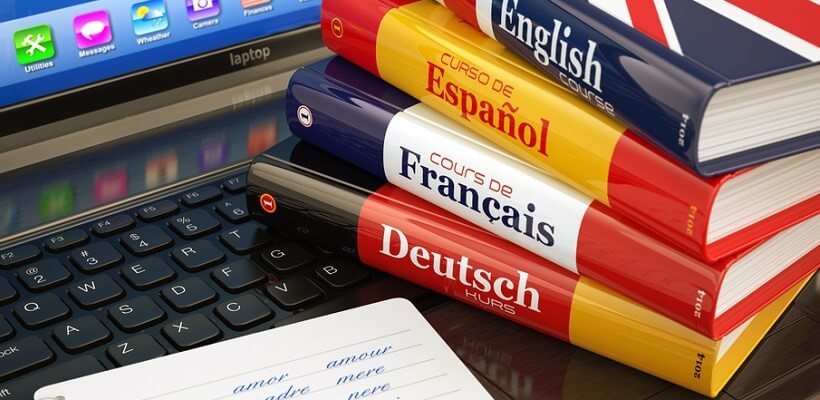
The rise of simulated news(AI) has dramatically transformed industries across the globe, and transformation services are no exception. As AI technologies such as neuronal simple machine transformation(NMT) and cancel terminology processing(NLP) germinate, they are reshaping the landscape painting for translation agencies. The big wonder is whether AI poses a terror to homo translators or presents a valuable chance for the manufacture. The serve is nuanced, as AI s bear upon on transformation agencies can be both disruptive and empowering, depending on how it is leveraged.
The Threat: Automation and Job Displacement
At first peek, AI s power to instantaneously translate vast amounts of text seems like a terror to orthodox transformation agencies. Tools like Google Translate and DeepL can make translations speedily and at scale, which leads to concerns that these platforms could supersede homo translators, version them obsolete. This fear is not unfounded, especially considering how AI-driven services are being used by businesses looking to cut costs and step-up .
For exemplify, moderate transformation agencies and freelancers who rely exclusively on manual of arms translation work might find it defiant to compete with the travel rapidly and lower of AI-driven translation. In some cases, AI tools are already being used to automatize univocal and repetitive tasks, such as translating user manuals, production descriptions, or marketing materials. This automation raises the possibility of reducing the need for human being translators in certain sectors.
Furthermore, AI’s accelerative truth in translating certain language pairs also makes it a competition to established transformation workflows. While human expertness is still requirement for nuanced and culturally sensitive translations, AI continues to make strides in shutting the gap, especially in languages with grammatical rules and certain structures.
The Opportunity: Enhanced Productivity and Collaboration
However, AI also presents considerable opportunities for modern font This Site agencies. Far from being a replacement for human translators, AI is a powerful tool that can complement their work and raise overall productiveness. AI-powered transformation tools can wield big volumes of text, liberation up homo translators to focus on higher-value tasks, such as ensuring quality, adapting translations for topical anesthetic audiences, and treatment complex or inventive content that requires a deep understanding of context and culture.
One of the most important contributions of AI to the translation industry is its role in up transformation workflows. Translation Memory(TM) systems, which lay in antecedently translated , have been increased by AI algorithms that allow them to volunteer smarter and more right suggestions. This results in quicker turnround times and more uniform translations, particularly for reiterative . By integrating AI tools into their processes, translation agencies can deliver high-quality translations at a faster pace, providing a competitive edge in the commercialize.
Moreover, AI is transforming the way agencies wangle vauntingly projects. Machine transformation post-editing(MTPE), where human being translators reexamine and rectify machine-generated translations, has become a key prospect of the modern font translation work flow. This hybrid go about combines the efficiency of AI with the expertness of man translators, sanctioning agencies to volunteer cost-effective, high-quality solutions for boastfully-scale projects.
Conclusion: A Symbiotic Relationship
Rather than being a terror, AI should be seen as a partner that can augment the capabilities of translation agencies. While mechanization may winnow out certain jobs, it is more likely to evolve the role of translators, making them more focused on high-level tasks that need vital intellection, cultural noesis, and ingenious stimulus. Translation agencies that hug AI technology will be better weaponed to meet the demands of an more and more globalized earth, offer faster, more correct, and culturally relevant translations.
The key to succeeder in the hereafter of translation lies in adopting a loanblend model where man expertness and AI capabilities work hand-in-hand. This approach not only improves but also ensures that the subtleties of terminology, tone, and linguistic context are preservable, allowing transformation agencies to flourish in a apace dynamic field landscape. Ultimately, AI is an chance for conception and increment, rather than a scourge to the industry.