
The Future of Lighting: Why LED Technology Leads the WayThe Future of Lighting: Why LED Technology Leads the Way
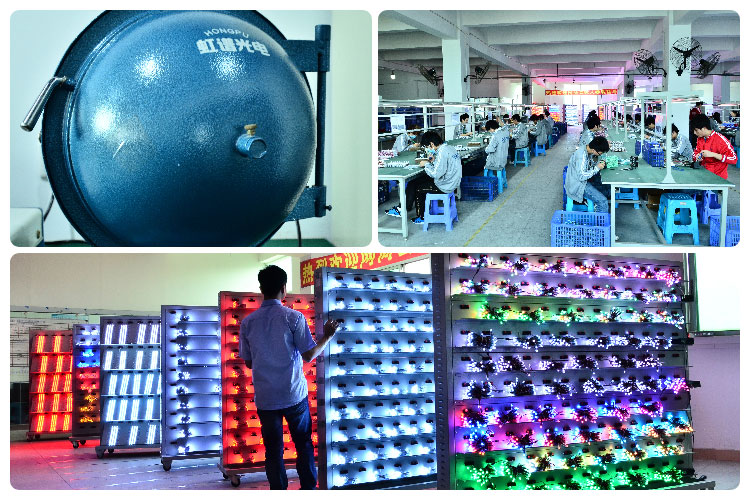
The lighting industry has undergone a dramatic transformation in recent years, and at the heart of this change is LED technology. LED (Light Emitting Diode) lighting has emerged as the most innovative and sustainable solution, dominating both residential and commercial markets. As the world continues to focus on energy efficiency, environmental impact, and cost reduction, LED technology stands out as the clear leader. It offers a combination of benefits that traditional lighting sources, such as incandescent and fluorescent bulbs, simply cannot match. This article delves into the reasons why LED lighting is the future of illumination and how it is shaping the way we light our homes, offices, and cities DeKingLED.
Energy Efficiency: A Game Changer for Lighting
One of the most compelling reasons why LED technology is leading the future of lighting is its unparalleled energy efficiency. Traditional incandescent bulbs waste a significant amount of energy in the form of heat. In contrast, LEDs convert almost all of the energy they use into light, making them much more efficient. In fact, LEDs use up to 75% less energy than incandescent bulbs and last up to 25 times longer. This remarkable efficiency results in reduced energy consumption, which not only lowers utility bills but also reduces the overall carbon footprint. As governments and organizations push for more sustainable solutions, the energy-saving benefits of LEDs are proving to be an essential part of the global shift toward greener, more eco-friendly technologies.
Environmental Benefits: Reducing Waste and Pollution
In addition to their energy efficiency, LED lights have significant environmental benefits. Traditional lighting solutions, such as fluorescent and incandescent bulbs, contain harmful materials like mercury, which can pose risks to both human health and the environment if not properly disposed of. LEDs, on the other hand, are free from hazardous substances and are fully recyclable. Their long lifespan further reduces waste, as fewer bulbs need to be replaced over time. This reduction in both energy use and waste makes LEDs a vital part of the effort to reduce pollution and promote sustainability. As the world moves toward greener alternatives in all sectors, LEDs are an essential tool in reducing the environmental impact of lighting.
Cost Savings: Long-Term Investment
While the initial cost of LED bulbs may be higher than traditional lighting options, their long-term financial benefits are undeniable. LEDs have a significantly longer lifespan, reducing the need for frequent replacements. This makes them a cost-effective investment in the long run. Over time, the savings on energy bills and the reduced need for replacements can more than make up for the initial purchase price. For example, an LED bulb that costs more upfront may save hundreds of dollars in energy costs over its lifespan, making it a much more economical choice. Businesses and households alike can see substantial savings, particularly in large-scale installations where the energy efficiency of LEDs can have a significant impact on overall costs.
Innovation and Versatility: Meeting Diverse Lighting Needs
LED technology is also leading the way because of its versatility and adaptability. LEDs are available in a wide range of colors, brightness levels, and designs, allowing for greater control over the lighting environment. Whether for indoor or outdoor use, residential or commercial settings, there is an LED solution for nearly every application. The compact size of LEDs makes them ideal for a variety of settings, from small, intricate lighting installations to large, expansive spaces. Additionally, the ability to adjust the brightness and color temperature of LEDs allows for greater customization, enabling users to create the perfect lighting environment for any occasion. The versatility of LED technology has led to innovations in areas such as smart lighting, where LEDs can be integrated into home automation systems for added convenience and energy control.
The Global Shift Toward LED Adoption
The widespread adoption of LED technology is already evident across the globe, with many countries and regions making the switch to LED lighting as part of their energy-saving and environmental goals. Cities are replacing streetlights with LEDs, resulting in reduced energy use and improved safety. In homes, LED lighting has become the standard, with more people opting for energy-efficient solutions that align with their sustainable living practices. Governments are offering incentives and rebates for switching to LED technology, further accelerating adoption. The ongoing trend toward LED lighting is a clear indication that it is not just a passing trend but rather the future of illumination. As the world continues to prioritize energy efficiency and sustainability, LED technology will remain at the forefront, revolutionizing the way we think about lighting.
In conclusion, LED technology is shaping the future of lighting by offering significant advantages over traditional lighting sources. Its energy efficiency, environmental benefits, long-term cost savings, versatility, and innovation make it the leading choice for both consumers and businesses. As we look toward a more sustainable future, LEDs will continue to play a central role in reducing energy consumption and minimizing environmental impact. Whether in the home, office, or city streets, LED lighting is the smart choice for anyone seeking a brighter, more sustainable future.